Ingrid M Lanfranco - Parents as Partners Coparenting Programme with Parents of Infants with a Highly Reactive ...
The ‘Parents as Partners’ (PasP) coparenting programme was delivered to heterosexual parents of infan...
View More

Singapore, Singapore
 Dear Esteemed Participants and Distinguished Colleagues,
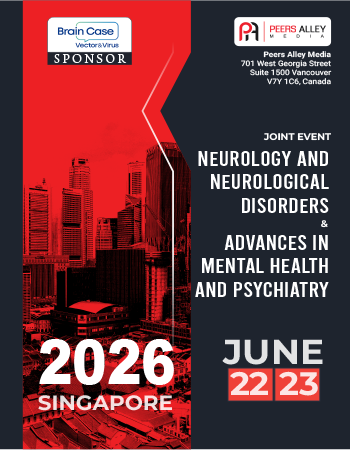
It is with great pleasure to welcome you to the 5th Global Summit on Advances in Mental Health and Psychiatry: Science, Care, and Innovation which is taking place during June 21-22, 2027 in Singapore. Read More
-------------------------------------------------------------------------------------------------------------------
 Dear Esteemed Participants and Distinguished Colleagues,
It is with great pleasure that we welcome you to the 5th Global Summit on Advances in Mental Health and Psychiatry: Science, Care, and Innovation, taking place on June 21–22, 2027, in Singapore. Read more
---------------------------------------------------------------------------------------------------------------------
 Dear Colleagues and Friends,
Building on the spirit and shared vision we affirmed at Mental Health 2026 in Singapore—where mental, clinicians, researchers, advocates, educators, public health leaders, and policymakers from across the globe united to advance evidence-based care, promote equity, drive innovation, and combat stigma—we are honored to invite you to the 5th Global Summit on Advances in Mental Health and Psychiatry: Science, Care, and Innovation (Mental Health 2027) held during June 21-22, 2027 in Singapore. Read more



























Adler University,
Canada
NeuroShifts, LLC,
USA
Emory University School of Medicine,
USA
Bradley University,
USA
Univerrsity of Washington,
USA
State University of New York,
USA
National University,
USA
American Psychological Association,
USA










Addiction Psychiatry
Addiction Psychiatry is a medical subspecialty focused on the evaluation, diagnosis, treatment, and prevention of substance use disorders (SUDs) and behavioral addictions. It integrates biological, psychological, and social perspectives to understand the chronic and relapsing nature of addiction.
Key features include:
-Assessment of substance-related behaviors, cravings, and dependence
-Treatment of co-occurring psychiatric disorders
-Addressing biological changes in brain reward and stress systems
Scope
The scope of Addiction Psychiatry includes:
-Clinical assessment: Screening for alcohol, opioids, stimulants, nicotine, cannabis, and behavioral addictions (gambling, gaming).
-Treatment interventions:
-Pharmacotherapy: Methadone, buprenorphine, naltrexone, acamprosate, and nicotine replacement therapy
-Psychotherapy: Cognitive-behavioral therapy (CBT), motivational interviewing, contingency management, and family therapy
-Integrated care: Addressing co-occurring psychiatric and medical conditions
-Prevention and education: Public awareness campaigns, school-based prevention, and workplace programs
-Research and innovation: Studying neurobiological mechanisms, genetic predisposition, and novel therapeutics
-Policy and advocacy: Promoting access to treatment, reducing stigma, and implementing harm reduction strategies
Statistics and Trends
Global prevalence:
-Alcohol use disorder affects approximately 107 million people worldwide
-Opioid use disorder affects 27 million people globally
-Tobacco use affects over 1 billion people, contributing significantly to morbidity and mortality
-Behavioral addictions: Increasing recognition of gaming, gambling, and digital addictions
-Comorbidity: Up to 50–60% of individuals with addiction have co-occurring psychiatric disorders such as depression, anxiety, or PTSD
-Mortality: Substance use contributes to millions of deaths annually via overdose, accidents, infections, and chronic disease
-Healthcare burden: High economic, social, and healthcare costs highlight the need for effective prevention and treatment
Importance of Early Intervention
Early intervention in addiction psychiatry is crucial for preventing chronic disease, improving recovery, and reducing societal impact:
-Preventing progression: Early detection of risky use can stop development of severe SUDs
-Reducing comorbidities: Timely intervention lowers the risk of psychiatric, medical, and social complications
-Improving treatment outcomes: Early therapy increases success rates in pharmacological and behavioral interventions
-Minimizing societal consequences: Reduces family disruption, workplace impairment, and criminal behavior
-Cost-effectiveness: Prevents chronic SUDs and reduces long-term healthcare costs
-Holistic recovery: Early intervention enables integration of medical, psychological, and social support for sustainable recovery.
Adolescent Mental Health
Adolescent Mental Health refers to the emotional, psychological, and social well-being of individuals aged 10–19 years, focusing on their ability to cope with developmental, social, and academic challenges.
Key aspects include:
1. Recognition and management of psychiatric disorders such as depression, anxiety, ADHD, eating disorders, and substance use
2. Promotion of resilience, social skills, and healthy coping strategies
3. Addressing psychosocial stressors including peer pressure, bullying, academic stress, family issues, and identity development
Scope
The scope of adolescent mental health includes:
1. Assessment and diagnosis: Screening for emotional, behavioral, and developmental disorders
2. Therapeutic interventions:
o Psychotherapy (CBT, family therapy, interpersonal therapy)
o Pharmacological management for conditions like depression, ADHD, and anxiety
o School-based mental health programs and counseling
3. Preventive care: Promoting resilience, life skills training, stress management, and mental health literacy
4. Research: Studying neurodevelopment, psychosocial factors, and risk/protective factors for mental disorders
5. Policy and advocacy: Developing youth-friendly mental health services, early detection programs, and public awareness campaigns
6. Integration with public health: Addressing comorbidities such as substance use, obesity, and chronic illnesses
Statistics and Trends
1. Prevalence:
o Approximately 10–20% of adolescents worldwide experience mental health disorders
o Suicide is the second leading cause of death among 15–19-year-olds globally
o Anxiety disorders affect around 6–8%, and depression affects 4–5% of adolescents worldwide
• Trends:
o Rising prevalence of stress, anxiety, and depression due to academic pressures, social media, bullying, and family conflict
o Increased recognition of eating disorders, self-harm, and behavioral addictions
o Growing focus on school-based mental health programs, telepsychiatry, and youth support services
Importance of Early Intervention
Early intervention in adolescent mental health is critical for preventing long-term psychiatric, social, and functional consequences:
1. Preventing progression: Timely support reduces the risk of chronic mental disorders and comorbidities
2. Improving academic and social outcomes: Early therapy enhances coping skills, peer relationships, and school performance
3. Reducing risky behaviors: Early care lowers the likelihood of substance use, self-harm, and delinquent behaviors
4. Promoting resilience: Early psychological support fosters healthy emotional regulation and self-esteem
5. Cost-effectiveness: Reduces long-term healthcare, social, and economic burdens
6. Holistic well-being: Integrates family, school, and community support for sustainable mental health
Advancements In Psychopharmacology
Psychopharmacology is the scientific study of how medications affect mood, cognition, behavior, and psychiatric disorders. Advancements in psychopharmacology refer to innovations in drug development, personalized medicine, and treatment strategies to improve efficacy, safety, and patient outcomes in mental health care.
Key focus areas include:
• Development of new classes of psychotropic medications for depression, anxiety, bipolar disorder, schizophrenia, and other mental disorders
• Use of biomarkers and genetic profiling to guide personalized treatment
• Innovations in drug delivery systems and mechanisms of action
Scope
The scope of advancements in psychopharmacology includes:
• Novel drug development:
o Rapid-acting antidepressants (e.g., ketamine and esketamine)
o Antipsychotics with improved side effect profiles
o Medications for treatment-resistant psychiatric disorders
• Personalized psychopharmacology: Tailoring treatment based on pharmacogenetics, biomarkers, and patient response
• Polypharmacy management: Optimizing combination therapies for comorbid psychiatric and medical conditions
• Digital and AI-assisted prescribing: Using AI and clinical decision tools to improve drug choice and dosing
• Integration with psychotherapy: Combining pharmacological and non-pharmacological interventions for holistic care
• Research and clinical trials: Studying efficacy, safety, and long-term outcomes of novel psychotropic agents
Statistics and Trends
• Global mental health medication usage:
o Antidepressants are among the most widely prescribed psychotropic medications, with over 300 million prescriptions worldwide annually
o Antipsychotics and anxiolytics use has steadily increased due to growing recognition of mental health disorders
• Trends in research:
o Focus on rapid-acting and precision-targeted therapies
o Growing interest in neuroinflammation, neuroplasticity, and gut-brain axis as targets for psychopharmacological interventions
o Increased integration of digital tools, telepsychiatry, and AI-assisted medication management
• Treatment resistance: Approximately 30% of patients with depression do not respond to conventional therapies, highlighting the need for novel psychopharmacological approaches
Importance of Early Intervention
Early intervention using advancements in psychopharmacology is critical to prevent disease progression, improve functional outcomes, and reduce morbidity:
• Preventing chronic psychiatric disorders: Early pharmacological management can halt the progression of depression, psychosis, or bipolar disorder
• Optimizing treatment response: Personalized drug selection improves efficacy and minimizes side effects
• Reducing comorbidities: Timely intervention helps prevent secondary complications like anxiety, sleep disturbances, and substance use
• Enhancing quality of life: Early symptom relief promotes social functioning, occupational performance, and cognitive health
• Cost-effectiveness: Early and effective treatment reduces hospitalizations, relapses, and long-term healthcare costs
• Integration with holistic care: Combines medication, psychotherapy, lifestyle modifications, and psychosocial support for sustainable recovery
Artificial Intelligence In Neuroimaging
Artificial Intelligence (AI) in neuroimaging refers to the use of machine learning (ML), deep learning (DL), and other computational algorithms to analyze brain images such as MRI, fMRI, PET, and CT scans. AI can detect patterns, segment structures, quantify abnormalities, and even predict disease progression with high accuracy.
Scope:
• Diagnostics: Enhances detection of neurological disorders such as Alzheimer’s disease, Parkinson’s disease, multiple sclerosis, epilepsy, and brain tumors.
• Prognostics: Predicts disease progression and response to therapies using imaging biomarkers.
• Personalized Medicine: Facilitates individualized treatment plans based on patient-specific imaging data.
• Research: Assists in brain mapping, connectivity analysis, and discovery of new biomarkers.
• Workflow Optimization: Automates repetitive imaging tasks, improving radiologist efficiency and reducing errors.
Statistics and Trends
Current Trends:
• Increasing adoption of deep learning models for automated lesion detection, segmentation, and classification.
• Integration of multi-modal imaging (combining MRI, PET, CT) with AI for better accuracy.
• Development of real-time AI analysis in clinical settings for faster diagnostics.
• Expansion of predictive modeling for neurodegenerative diseases and psychiatric disorders.
Key Statistics:
• AI algorithms have achieved diagnostic accuracies above 90% for certain brain tumor and Alzheimer’s detection tasks.
• The global AI in healthcare imaging market is projected to grow at a CAGR of 40–45% over the next five years.
• Studies show AI-assisted radiology reduces diagnostic errors by up to 30% and decreases time-to-diagnosis significantly.
Importance of Early Intervention
• Early Detection of Neurological Disorders: AI can identify subtle imaging changes before clinical symptoms appear, enabling timely interventions.
• Improved Patient Outcomes: Early diagnosis allows for earlier treatment, slowing disease progression and improving quality of life.
• Resource Optimization: AI reduces the workload on radiologists and allows for more patients to be screened efficiently.
• Personalized Therapy: Early identification of disease subtype or risk factors enables tailored treatment plans.
• Research Advancements: Early imaging biomarkers help in clinical trials and development of novel therapies.
Behavioral Medicine
Behavioral Medicine is an interdisciplinary field combining psychology, medicine, and public health to understand the influence of behavior, emotions, and lifestyle on physical health. It focuses on prevention, diagnosis, and treatment of medical conditions through behavioral interventions, stress management, and lifestyle modifications.
Scope:
• Chronic Disease Management: Supports patients with diabetes, cardiovascular diseases, obesity, and chronic pain through behavior modification strategies.
• Mental-Physical Health Integration: Addresses the interaction between psychological factors (stress, anxiety, depression) and physical illnesses.
• Preventive Medicine: Promotes healthy lifestyle behaviors such as exercise, nutrition, sleep hygiene, and substance avoidance.
• Health Behavior Research: Investigates adherence to treatment, patient motivation, and lifestyle patterns.
• Clinical Interventions: Includes cognitive-behavioral therapy, biofeedback, relaxation techniques, and motivational interviewing.
Statistics and Trends
Current Trends:
• Growing use of digital health tools (apps, telemedicine, wearable devices) to monitor and modify health behaviors.
• Integration of behavioral medicine in primary care to manage lifestyle-related diseases.
• Increased research on mind-body interventions for stress reduction and immune modulation.
• Expansion of precision behavioral medicine, tailoring interventions based on individual behavioral and biological profiles.
Key Statistics:
• Chronic diseases related to lifestyle contribute to over 70% of global deaths, highlighting the importance of behavioral interventions.
• Behavioral interventions can reduce risk of cardiovascular events by 20–30% in at-risk populations.
• Studies show that stress-reduction programs and behavioral therapies can improve adherence to medical treatment by up to 40%.
• The global behavioral health market is projected to grow significantly, driven by demand for integrative and preventive care approaches.
Importance of Early Intervention
• Prevention of Disease Progression: Early behavioral interventions can prevent or delay onset of chronic conditions such as diabetes, obesity, and hypertension.
• Reduction of Healthcare Costs: By promoting lifestyle modification and adherence, early intervention reduces hospitalizations and medical complications.
• Improved Mental Health: Addressing stress, anxiety, and maladaptive behaviors early improves overall well-being and resilience.
• Enhanced Treatment Outcomes: Patients are more likely to respond positively to medical treatments when behavioral factors are addressed early.
• Promotion of Healthy Habits: Early intervention encourages long-term lifestyle changes that maintain health and prevent future disease.
Brain-Computer Interfaces
A Brain-Computer Interface (BCI) is a technology that enables direct communication between the brain and external devices, bypassing conventional neuromuscular pathways. BCIs interpret neural signals to control computers, prosthetics, or other assistive devices, providing new ways for interaction and rehabilitation.
Scope:
• Medical Rehabilitation: Restores communication and motor function in patients with paralysis, stroke, spinal cord injury, or neurodegenerative diseases.
• Assistive Technology: Enables communication for individuals with severe motor impairments (e.g., ALS).
• Neuroprosthetics: Controls robotic limbs or exoskeletons using brain signals.
• Cognitive Enhancement and Monitoring: Supports attention, memory, and mood regulation.
• Research Applications: Provides insights into neural mechanisms and brain function through real-time neural monitoring.
• Gaming and Entertainment: Expanding into consumer applications for immersive experiences and neurofeedback.
Statistics and Trends
Current Trends:
• Increasing use of non-invasive BCIs (EEG-based) for rehabilitation and consumer applications.
• Advances in invasive BCIs (implantable electrodes) for higher precision in motor control.
• Integration with AI and machine learning for improved signal decoding and prediction of user intent.
• Growing interest in hybrid BCIs, combining neural signals with other physiological signals for more accurate control.
• Expansion of BCIs in neurofeedback, cognitive training, and mental health monitoring.
Key Statistics:
• The global BCI market is projected to reach over $4 billion by 2030, growing at a CAGR of ~14–16%.
• Research indicates that BCI-assisted rehabilitation can improve motor recovery by up to 30–40% in post-stroke patients.
• Non-invasive BCIs have enabled communication rates of 20–30 characters per minute for locked-in patients.
• AI-enhanced BCIs show decoding accuracy of over 90% for simple motor tasks in laboratory settings.
Importance of Early Intervention
• Maximizes Neuroplasticity: Early BCI-based rehabilitation leverages the brain’s adaptive capacity, improving recovery after stroke or injury.
• Prevents Functional Decline: Timely use of BCIs can maintain communication and mobility in progressive neurodegenerative disorders.
• Accelerates Rehabilitation: Early adoption enhances motor learning and faster integration with assistive devices.
• Enhances Quality of Life: Early intervention restores independence, social interaction, and psychological well-being.
• Informs Personalized Therapy: Early monitoring of neural signals allows tailored intervention strategies for optimal outcomes.
Child Abuse
Child abuse refers to any physical, emotional, sexual harm, or neglect inflicted upon a child by a caregiver, parent, or other responsible adult. It encompasses acts or omissions that endanger a child’s physical or emotional well-being.
Scope:
• Physical Abuse: Infliction of pain, injury, or impairment.
• Emotional/Psychological Abuse: Behaviors that harm a child’s self-esteem, development, or emotional health.
• Sexual Abuse: Exploitation or molestation of a child.
• Neglect: Failure to provide basic needs such as food, shelter, education, and medical care.
• Broader Implications: Child abuse impacts mental health, educational achievement, social development, and can lead to long-term health consequences including chronic disease and psychiatric disorders.
Statistics and Trends
Global and Regional Trends:
• UNICEF estimates that 1 in 4 children globally experiences physical abuse, and 1 in 5 girls and 1 in 13 boys experience sexual abuse.
• Neglect is the most common form of abuse reported worldwide.
• Cases of emotional abuse are increasingly recognized due to better awareness and reporting mechanisms.
• Child abuse has been associated with long-term mental health issues including depression, anxiety, PTSD, and substance use disorders.
Emerging Trends:
• Increase in online exploitation and cyber abuse of children.
• Growing recognition of the intergenerational cycle of abuse.
• Adoption of multi-disciplinary approaches in detection, reporting, and prevention, including collaboration between healthcare, social services, and education.
Importance of Early Intervention
• Prevents Long-Term Trauma: Early identification and intervention reduce the risk of chronic psychological and physical effects.
• Promotes Healthy Development: Timely support ensures emotional, cognitive, and social development.
• Protects from Recurrent Abuse: Early reporting and safeguarding measures reduce the likelihood of repeated harm.
• Supports Families: Intervention programs can provide parenting support, counseling, and rehabilitation to at-risk families.
• Reduces Societal Burden: Early intervention lowers future costs related to mental health care, criminal justice, and social services.
Child And Adolescent Psychiatry
Child and Adolescent Psychiatry is a specialized branch of psychiatry focused on the diagnosis, treatment, and prevention of mental, emotional, and behavioral disorders in children and adolescents, typically from birth through 18 years of age.
Scope:
• Common Disorders: Includes attention-deficit/hyperactivity disorder (ADHD), autism spectrum disorder (ASD), anxiety disorders, depression, conduct disorders, and eating disorders.
• Neurodevelopmental Disorders: Early identification and management of developmental delays, learning disabilities, and cognitive impairments.
• Psychopharmacology and Therapy: Combines medication management, psychotherapy, behavioral therapy, and family counseling.
• Prevention and Promotion: Focuses on mental health promotion, early risk identification, and resilience-building strategies.
• Interdisciplinary Collaboration: Works closely with pediatrics, education, social work, and psychology to provide holistic care.
Statistics and Trends
Current Trends:
• Rising awareness of child and adolescent mental health globally, leading to increased screening and early intervention programs.
• Growing use of telepsychiatry and digital mental health tools for access and monitoring.
• Integration of school-based mental health programs to detect early signs of psychiatric disorders.
• Increased research on neurodevelopmental and genetic factors contributing to early-onset mental illnesses.
Key Statistics:
• According to the WHO, 10–20% of children and adolescents worldwide experience mental health disorders.
• Suicide is among the top three causes of death in adolescents globally.
• Early-onset psychiatric disorders often persist into adulthood if untreated, with up to 50% of adult mental health conditions beginning before age 14.
• Evidence shows that early intervention can improve outcomes by 30–50%, reducing severity and functional impairment.
Importance of Early Intervention
• Improves Prognosis: Early identification and treatment prevent progression of disorders and reduce the risk of chronic mental illness.
• Enhances Academic and Social Outcomes: Supports better school performance, peer relationships, and adaptive functioning.
• Reduces Risk of Comorbidity: Timely care lowers the likelihood of developing secondary psychiatric or physical conditions.
• Supports Families: Counseling and psychoeducation empower families to manage behavioral and emotional challenges effectively.
• Public Health Impact: Early intervention reduces long-term societal costs related to healthcare, education, and social services.
Clinical Neuroscience
Clinical Neuroscience is an interdisciplinary field that combines neurology, psychiatry, and neurobiology to study the structure and function of the nervous system in health and disease. It focuses on understanding, diagnosing, treating, and preventing neurological and neuropsychiatric disorders.
Scope:
• Neurological Disorders: Stroke, epilepsy, Parkinson’s disease, Alzheimer’s disease, multiple sclerosis, and traumatic brain injury.
• Neuropsychiatric Disorders: Depression, schizophrenia, anxiety, and cognitive disorders with neurological underpinnings.
• Diagnostics and Imaging: Utilizes neuroimaging (MRI, fMRI, PET), electrophysiology (EEG, MEG), and biomarkers for assessment.
• Therapeutics: Pharmacological interventions, neuromodulation (TMS, DBS), neurorehabilitation, and personalized treatment approaches.
• Research Applications: Understanding neural circuits, brain plasticity, and the pathophysiology of neurological disorders.
• Interdisciplinary Collaboration: Bridges neuroscience research with clinical care, psychology, genetics, and bioengineering.
Statistics and Trends
Current Trends:
• Increasing use of AI and machine learning for neuroimaging analysis and predictive modeling.
• Growth in personalized medicine targeting patient-specific neurological profiles.
• Expansion of non-invasive brain stimulation and neurorehabilitation techniques.
• Focus on early biomarkers for neurodegenerative and psychiatric disorders.
• Integration of digital health tools and tele-neurology for improved access and monitoring.
Key Statistics:
• Neurological disorders account for ~16% of global disability (WHO data).
• Alzheimer’s disease affects over 55 million people worldwide, projected to rise to ~78 million by 2030.
• Stroke is the second leading cause of death globally, with over 6 million deaths annually.
• Early intervention in conditions like stroke or multiple sclerosis can improve functional outcomes by 20–40%.
• Neuropsychiatric comorbidities occur in up to 30–50% of patients with neurological diseases.
Importance of Early Intervention
• Slows Disease Progression: Early detection of neurological or neuropsychiatric disorders can prevent irreversible damage.
• Improves Functional Outcomes: Timely rehabilitation and therapeutic interventions enhance mobility, cognition, and quality of life.
• Reduces Complications: Prevents secondary complications such as cognitive decline, depression, or motor impairment.
• Optimizes Treatment: Early intervention allows personalized therapies to be implemented before significant deterioration.
• Public Health Impact: Early identification reduces healthcare burden, hospitalizations, and long-term disability costs.
Clinical Psychology
Clinical Psychology is a branch of psychology that focuses on assessing, diagnosing, treating, and preventing mental health disorders, emotional difficulties, and behavioral problems in individuals across the lifespan. It integrates psychological theory, research, and clinical practice to improve mental well-being.
Scope:
• Assessment and Diagnosis: Psychological testing, clinical interviews, and behavioral assessment to identify mental health disorders such as depression, anxiety, PTSD, and personality disorders.
• Therapeutic Interventions: Evidence-based psychotherapies such as cognitive-behavioral therapy (CBT), psychodynamic therapy, and mindfulness-based interventions.
• Behavioral Medicine and Health Psychology: Addressing the psychological aspects of chronic illness, pain, and lifestyle-related health problems.
• Child, Adolescent, and Geriatric Psychology: Tailored interventions across different developmental stages.
• Research and Consultation: Conducts studies on mental health, behavior, and cognition, and provides consultation in clinical and organizational settings.
• Community and Preventive Programs: Promotes mental health awareness, resilience-building, and preventive strategies.
Statistics and Trends
Current Trends:
• Increasing integration of digital mental health tools and telepsychology for broader access.
• Focus on evidence-based interventions and outcome-driven therapy.
• Expansion of preventive and community mental health programs.
• Growing attention to intersectional mental health, including cultural, social, and socioeconomic factors.
• Collaboration with medical disciplines for holistic patient care.
Key Statistics:
• Globally, 1 in 8 people experience a mental health disorder in a given year (WHO, 2023).
• Depression and anxiety disorders are the most prevalent, affecting over 300 million people worldwide.
• Untreated mental disorders in children and adolescents can persist into adulthood, affecting ~50% of adults with psychiatric conditions.
• Early psychological interventions can reduce symptom severity and improve functioning by 30–50%, according to meta-analyses.
• Telepsychology uptake has increased over 50% in the past five years, expanding access to care.
Importance of Early Intervention
• Improves Prognosis: Early assessment and therapy prevent the escalation of mental health disorders.
• Enhances Functioning: Supports academic, occupational, and social development, particularly in children and adolescents.
• Prevents Comorbidity: Reduces risk of secondary mental health issues, substance abuse, and physical health complications.
• Reduces Healthcare Burden: Early care lowers hospitalization rates and long-term treatment costs.
• Promotes Resilience: Equips individuals with coping skills and adaptive strategies for lifelong mental well-being.
Cognitive Behavioral Therapy CBT Innovations
Cognitive Behavioral Therapy (CBT) is a structured, evidence-based psychological intervention that addresses dysfunctional thoughts, beliefs, and behaviors to improve emotional regulation and mental health. Innovations in CBT include digital CBT platforms, AI-assisted therapy, virtual reality (VR)-based CBT, and personalized treatment protocols.
Scope:
•Mental Health Disorders: Treatment for depression, anxiety, PTSD, OCD, eating disorders, and substance use disorders.
•Digital and Remote Delivery: Online CBT programs, apps, and teletherapy platforms for broader access.
•Technology-Enhanced CBT: VR exposure therapy, AI-driven chatbots, and gamified CBT interventions.
•Personalized and Precision CBT: Tailored interventions based on patient-specific cognitive patterns, neuroimaging data, and real-time behavioral feedback.
•Integration in Healthcare: CBT is increasingly combined with pharmacotherapy, mindfulness, and lifestyle interventions for comprehensive care.
Statistics and Trends
Current Trends:
•Rapid growth of digital CBT platforms, especially post-COVID-19, increasing accessibility and adherence.
•Integration of AI and machine learning to personalize therapy and predict treatment outcomes.
•Use of VR and immersive technologies for exposure therapy in phobias, PTSD, and anxiety disorders.
•Emphasis on brief, solution-focused CBT interventions for scalable mental health care.
•Research into neurobiologically-informed CBT, linking cognitive restructuring to brain changes via neuroimaging.
Key Statistics:
•CBT has demonstrated effect sizes of 0.6–0.8 in reducing symptoms of depression and anxiety (meta-analyses).
•Online CBT programs improve mental health outcomes for ~60–70% of participants.
•Early CBT intervention in adolescents reduces risk of chronic depression by up to 40%.
•Digital CBT adoption has increased over 100% globally in the last 5 years, reflecting telehealth expansion.
Importance of Early Intervention
•Prevents Chronicity: Early CBT reduces the progression of mental health disorders and recurrence.
•Improves Functional Outcomes: Supports academic, occupational, and social functioning, particularly in children and adolescents.
•Cost-Effective Care: Early CBT reduces reliance on medication, hospitalization, and long-term therapy costs.
•Enhances Engagement: Early adoption of digital or tech-assisted CBT increases motivation and adherence.
•Supports Preventive Mental Health: Equips individuals with coping skills, emotional regulation strategies, and resilience before severe symptoms develop.
Community Mental Health
Community Mental Health (CMH) is a public health approach that emphasizes prevention, early detection, treatment, and rehabilitation of mental health disorders within communities. It integrates clinical services, social support, and policy initiatives to promote mental well-being and social inclusion at a population level.
Scope:
• Mental Health Promotion: Education, awareness campaigns, and stigma reduction in communities.
• Prevention and Early Intervention: Screening programs in schools, workplaces, and primary care settings.
• Access to Care: Community clinics, telepsychiatry, and outreach services to underserved populations.
• Integration with Public Health: Collaboration with social services, education, and primary care to address social determinants of mental health.
• Rehabilitation and Recovery: Support for reintegration, vocational training, and psychosocial rehabilitation for individuals with chronic mental illness.
• Research and Policy Development: Evaluating population-level mental health interventions and informing policy for equitable care.
Statistics and Trends
Current Trends:
• Increasing focus on task-shifting to train community health workers in mental health care.
• Expansion of tele-mental health to reach rural and underserved populations.
• Integration of digital tools for community-based screening, monitoring, and psychoeducation.
• Emphasis on early detection programs in schools and workplaces.
• Collaborative care models combining primary care and mental health services.
Key Statistics:
• Globally, 1 in 8 people experience a mental health disorder annually (WHO, 2023).
• Over 75% of individuals with mental health conditions in low- and middle-income countries do not receive treatment.
• Community-based interventions have been shown to reduce symptom severity by 20–50% in depression and anxiety.
• Suicide prevention programs in communities can lower rates by up to 20% when implemented with early screening and support.
Importance of Early Intervention
• Prevents Disorder Escalation: Early identification and support reduce severity and chronicity of mental health issues.
• Promotes Social Inclusion: Early support fosters participation in education, work, and community life.
• Reduces Burden on Healthcare Systems: Timely intervention prevents hospitalizations and reduces long-term treatment costs.
• Improves Quality of Life: Supports functional recovery, resilience, and mental well-being in the community.
• Targets Vulnerable Populations: Children, adolescents, and marginalized groups benefit most from early community-based programs.
Cross-Cultural Psychiatry
Cross-Cultural Psychiatry is a specialized branch of psychiatry that studies how cultural, ethnic, and social factors influence the manifestation, diagnosis, treatment, and prevention of mental health disorders. It emphasizes understanding the cultural context of mental illness and providing culturally sensitive psychiatric care.
Scope:
• Cultural Formulation: Evaluates how beliefs, values, and traditions affect symptom expression and help-seeking behavior.
• Ethnic and Minority Mental Health: Addresses disparities in diagnosis, access, and outcomes among culturally diverse populations.
• Global Mental Health: Focuses on migration, refugee mental health, and international psychiatric care practices.
• Culturally Adapted Interventions: Tailors psychotherapy, counseling, and community programs to cultural norms.
• Training and Policy: Educates clinicians in cultural competence and informs culturally sensitive mental health policies.
• Research Applications: Examines cross-cultural differences in prevalence, etiology, and treatment response.
Statistics and Trends
Current Trends:
• Increasing recognition of cultural competence as a core skill in psychiatric training.
• Growth of global mental health initiatives addressing mental health in low-resource and multicultural settings.
• Integration of telepsychiatry and digital tools to reach culturally diverse populations.
• Research on culturally specific symptom expression, idioms of distress, and explanatory models of illness.
• Focus on reducing stigma and improving access to care among minority and migrant populations.
Key Statistics:
• Migrant and refugee populations experience 2–3 times higher rates of depression, anxiety, and PTSD compared to host populations.
• Cultural misdiagnosis contributes to over- or under-diagnosis in 20–30% of psychiatric assessments.
• Studies show culturally adapted psychotherapies improve treatment adherence by 20–40%.
• WHO estimates that up to 85% of people in low- and middle-income countries with mental disorders do not receive culturally appropriate care.
Importance of Early Intervention
• Prevents Chronic Mental Illness: Early recognition of culturally influenced symptoms reduces progression and severity.
• Improves Engagement and Adherence: Culturally sensitive early interventions increase participation in treatment.
• Reduces Health Disparities: Early culturally informed care addresses inequities in diagnosis, treatment, and outcomes.
• Supports Social Integration: Early intervention helps migrants, refugees, and minority populations maintain social functioning.
• Promotes Global Mental Health: Early culturally adapted care enhances mental health outcomes in diverse populations worldwide.
Eating Disorders
Definition and Scope
Definition:
Eating disorders (EDs) are serious mental health conditions characterized by disturbed eating behaviors, preoccupation with food, weight, or body shape, and associated psychological distress. Common types include anorexia nervosa, bulimia nervosa, binge-eating disorder, and other specified feeding or eating disorders (OSFED).
Scope:
• Medical and Psychiatric Impact: EDs can lead to severe physical complications (cardiac, gastrointestinal, metabolic) and psychiatric comorbidities (depression, anxiety, substance abuse).
• Behavioral and Cognitive Aspects: Involves maladaptive thought patterns, compulsive behaviors, and distorted body image.
• Population Affected: Primarily adolescents and young adults, though EDs can occur across all ages and genders.
• Treatment Approaches: Multidisciplinary, including nutritional rehabilitation, psychotherapy (CBT, family-based therapy), pharmacotherapy, and medical monitoring.
• Research and Public Health: Focuses on risk factors, prevention programs, and improving access to care.
Statistics and Trends
Current Trends:
• Rising awareness of early signs of disordered eating in schools and primary care.
• Growth of online interventions and telehealth therapy for ED management.
• Increasing recognition of male eating disorders and EDs in diverse ethnic populations.
• Emphasis on family-based interventions and preventive education programs.
• Research exploring neurobiological, genetic, and psychosocial risk factors for personalized care.
Key Statistics:
• Lifetime prevalence of eating disorders is ~1–4% for anorexia nervosa, 1–2% for bulimia nervosa, and 2–3% for binge-eating disorder.
• EDs have the highest mortality rate of any psychiatric disorder, with anorexia nervosa mortality ~5–10%.
• Approximately 50–60% of individuals with EDs do not receive treatment, highlighting the need for early detection.
• Early intervention and treatment reduce relapse rates and improve recovery outcomes by 30–50%.
• Prevalence is increasing among adolescents and young adults, particularly females aged 15–24.
Importance of Early Intervention
• Improves Recovery Rates: Early detection and treatment increase the likelihood of full recovery.
• Prevents Medical Complications: Timely intervention reduces risks such as cardiac issues, electrolyte imbalances, and malnutrition.
• Reduces Psychiatric Comorbidities: Early therapy mitigates depression, anxiety, and self-harm risk.
• Supports Healthy Development: In adolescents, early intervention promotes normal growth, academic performance, and social functioning.
• Cost-Effective: Early treatment reduces long-term healthcare burden and hospitalization rates.
Emergency Psychiatry
Emergency Psychiatry is a specialized branch of psychiatry that focuses on the rapid assessment, diagnosis, and management of acute mental health crises that pose a risk to the patient or others. It addresses severe psychiatric symptoms requiring immediate intervention, such as suicidal behavior, violent aggression, acute psychosis, or severe mood disturbances.
Scope:
• Acute Psychiatric Crises: Suicidal or homicidal ideation, psychotic breakdowns, severe depression, mania, or delirium.
• Risk Assessment: Immediate evaluation of danger to self or others, substance-related emergencies, or acute behavioral disturbances.
• Interventions: Crisis stabilization, short-term pharmacological management, psychotherapy, and referral to inpatient or outpatient care.
• Collaboration: Works closely with emergency medicine, law enforcement, and social services.
• Special Populations: Pediatric, geriatric, and medically ill patients requiring psychiatric assessment in emergency settings.
Statistics and Trends
Current Trends:
• Increasing demand for emergency psychiatric services globally due to rising mental health awareness and recognition of crises.
• Growth of telepsychiatry for rapid assessment and triage in emergency settings.
• Implementation of crisis intervention teams (CITs) in hospitals and communities to improve outcomes.
• Integration of suicide prevention protocols and standardized risk assessment tools.
• Expansion of community-based emergency mental health services to reduce hospitalization rates.
Key Statistics:
• Psychiatric emergencies account for 10–15% of all emergency department visits.
• Suicide attempts and acute self-harm are leading causes of psychiatric emergencies, with ~700,000 suicides globally per year (WHO).
• Acute agitation or aggression occurs in ~20% of psychiatric emergency visits.
• Early psychiatric intervention in emergency settings reduces inpatient admission rates by up to 30%.
• Crisis intervention and rapid management programs improve patient satisfaction and reduce repeat emergency visits.
Importance of Early Intervention
• Prevents Harm: Immediate intervention reduces the risk of self-injury, suicide, and aggression toward others.
• Stabilizes Acute Symptoms: Rapid assessment and treatment prevent escalation and medical complications.
• Reduces Hospitalization: Early crisis management can often avoid or shorten inpatient stays.
• Improves Prognosis: Timely intervention in acute psychiatric episodes improves long-term mental health outcomes.
• Enhances Access to Care: Early engagement facilitates referral to outpatient therapy, social support, and follow-up services.
Epigenetics In Psychiatry
Epigenetics in psychiatry refers to the study of heritable changes in gene expression that do not involve alterations in the DNA sequence but influence the development, risk, and progression of psychiatric disorders. Epigenetic mechanisms include DNA methylation, histone modification, and non-coding RNAs, which interact with environmental factors such as stress, trauma, nutrition, and substance use.
Scope:
• Understanding Etiology: Investigates how environmental and genetic factors contribute to disorders such as depression, schizophrenia, bipolar disorder, and PTSD.
• Biomarker Identification: Epigenetic markers can serve as predictive or diagnostic tools for psychiatric illnesses.
• Therapeutic Development: Guides personalized medicine approaches, including epigenetic-targeted pharmacotherapy.
• Gene-Environment Interaction Research: Explores how stress, trauma, and lifestyle affect gene expression and mental health outcomes.
• Preventive Psychiatry: Epigenetic studies inform early interventions and resilience-promoting strategies.
Statistics and Trends
Current Trends:
• Increasing use of epigenome-wide association studies (EWAS) to identify psychiatric disorder-related epigenetic changes.
• Research into prenatal and early-life epigenetic influences on long-term mental health.
• Integration of multi-omics approaches (genomics, transcriptomics, epigenomics) in psychiatric research.
• Development of epigenetic biomarkers for early diagnosis, prognosis, and treatment response prediction.
• Growing interest in reversible epigenetic therapies, including HDAC inhibitors and DNA methylation modulators.
Key Statistics:
• Epigenetic modifications in stress-related genes (e.g., NR3C1) are associated with increased risk of depression and PTSD.
• Early-life adversity can lead to persistent epigenetic changes, influencing susceptibility to psychiatric disorders in up to 30–40% of exposed individuals.
• Epigenetic biomarkers are increasingly used in clinical trials, with predictive accuracies for treatment response in depression ranging from 60–80%.
• Studies suggest that maternal stress, malnutrition, or toxin exposure can epigenetically affect offspring mental health outcomes.
Importance of Early Intervention
• Prevents Epigenetic ‘Lock-In’ of Risk: Early interventions can mitigate the long-term psychiatric consequences of adverse environmental exposures.
• Guides Personalized Care: Early detection of epigenetic risk markers allows targeted interventions and preventive strategies.
• Supports Resilience: Epigenetic-informed interventions, such as stress reduction and lifestyle modification, can promote adaptive gene expression.
• Reduces Disease Burden: Early intervention in at-risk populations decreases incidence and severity of psychiatric disorders.
• Informs Public Health: Understanding epigenetic influences enables early preventive strategies at community and population levels.
Forensic Psychiatry
Forensic Psychiatry is a subspecialty of psychiatry that focuses on the interface between mental health and the law, including the assessment, treatment, and management of individuals involved in legal matters. It encompasses criminal, civil, and correctional contexts where psychiatric expertise is required.
Scope:
• Criminal Assessment: Evaluating criminal responsibility, competency to stand trial, and risk of reoffending.
• Civil Assessment: Assessing mental capacity, guardianship, and fitness for work or decision-making.
• Correctional Psychiatry: Providing psychiatric care for incarcerated individuals, including management of violence, self-harm, and substance abuse.
• Expert Testimony: Advising courts on psychiatric findings, risk assessment, and treatment recommendations.
• Research and Policy: Studying the relationship between mental disorders and criminal behavior, and informing public safety and mental health policies.
• Treatment and Rehabilitation: Managing offenders with mental disorders, including psychotherapy, pharmacotherapy, and rehabilitation programs.
Statistics and Trends
Current Trends:
• Growing use of risk assessment tools (e.g., HCR-20, PCL-R) for predicting violence and recidivism.
• Integration of neuroimaging and neurocognitive assessments in forensic evaluations.
• Increased attention to mental health care in correctional facilities globally.
• Expansion of tele-forensic psychiatry for court consultations and assessments.
• Focus on early identification of at-risk individuals to prevent criminal behavior associated with psychiatric disorders.
Key Statistics:
• Studies suggest 15–20% of prison populations have severe mental disorders, compared to 5–10% in the general population.
• Approximately 50% of incarcerated individuals may have some form of psychiatric disorder, including substance use disorders.
• Early forensic psychiatric assessment reduces recidivism rates by 20–30% in high-risk offenders.
• Suicide rates in correctional facilities are 5–10 times higher than in the general population, highlighting the need for early mental health interventions.
Importance of Early Intervention
• Prevents Criminal Behavior: Early identification and treatment of mental illness can reduce engagement in illegal activities.
• Reduces Recidivism: Timely psychiatric intervention and rehabilitation decrease the likelihood of reoffending.
• Protects Public Safety: Early risk assessment and management minimize harm to the individual and society.
• Improves Mental Health Outcomes: Early intervention addresses psychiatric symptoms before escalation, improving overall well-being.
• Supports Legal and Ethical Processes: Early forensic evaluations ensure fair legal proceedings and appropriate sentencing or treatment plans.
Geriatric Psychiatry
Geriatric Psychiatry is a subspecialty of psychiatry that focuses on the diagnosis, treatment, and prevention of mental health disorders in older adults, typically aged 60 years and above. It addresses the complex interplay of psychiatric, medical, cognitive, and social factors in aging populations.
Scope:
• Common Disorders: Depression, anxiety, bipolar disorder, psychosis, dementia, delirium, and substance use disorders in older adults.
• Cognitive Health: Assessment and management of neurocognitive disorders, including Alzheimer’s disease and other dementias.
• Integrated Care: Coordination with primary care, neurology, social services, and rehabilitation programs.
• Psychosocial Interventions: Support for social isolation, grief, caregiver burden, and quality of life.
• Pharmacotherapy: Tailored medication management considering age-related pharmacokinetics and comorbidities.
• Research and Policy: Focus on aging-related mental health, prevention, and development of age-appropriate interventions.
Statistics and Trends
Current Trends:
• Increasing use of telepsychiatry to address access barriers in elderly populations.
• Growing research on early biomarkers for dementia and cognitive decline.
• Expansion of integrated mental health programs in primary care and long-term care facilities.
• Emphasis on non-pharmacological interventions such as cognitive stimulation therapy, reminiscence therapy, and lifestyle modifications.
• Focus on preventive mental health and resilience-building in aging populations.
Key Statistics:
• Globally, 1 in 5 adults aged 60+ experiences a mental or neurological disorder.
• Depression affects ~7% of the elderly population, while dementia affects ~5–8% worldwide.
• Suicide rates are highest among older men, particularly those over 70 years of age.
• Early intervention in cognitive decline can delay dementia progression by 1–3 years, improving quality of life.
• Studies indicate that geriatric psychiatric interventions reduce hospitalizations and improve functional independence in 20–40% of cases.
Importance of Early Intervention
• Prevents Disease Progression: Early detection of depression, cognitive decline, and other psychiatric disorders slows deterioration.
• Improves Functional Independence: Timely therapy preserves daily living skills, social engagement, and autonomy.
• Reduces Healthcare Burden: Early intervention decreases hospitalizations, long-term care admissions, and associated costs.
• Enhances Quality of Life: Addressing mental health early supports emotional well-being and social connectedness.
• Supports Caregivers: Early intervention reduces caregiver stress and improves family support systems.
Human Resilience
Human resilience refers to the capacity to adapt, recover, and thrive in the face of adversity, stress, or trauma. It encompasses psychological, emotional, social, and physiological processes that allow individuals to maintain or regain well-being despite challenges.
Scope:
• Psychological Resilience: Coping strategies, emotional regulation, and cognitive flexibility.
• Biological Resilience: Neurobiological and physiological mechanisms that mitigate stress responses.
• Social Resilience: Support networks, family cohesion, community engagement, and cultural resources.
• Developmental Resilience: Protective factors in childhood and adolescence that buffer against adverse outcomes.
• Clinical Applications: Enhancing resilience in mental health interventions, trauma therapy, and rehabilitation programs.
• Public Health and Policy: Designing resilience-building programs to reduce vulnerability to stress, disaster, and mental health disorders.
Statistics and Trends
Current Trends:
• Increasing research on resilience biomarkers, including stress hormones, neural connectivity, and genetic factors.
• Integration of resilience training in schools, workplaces, and healthcare settings.
• Use of digital tools, mobile apps, and virtual programs for resilience enhancement.
• Focus on early-life interventions to promote resilience in children and adolescents exposed to trauma or adversity.
• Growing interest in community and cultural resilience to mitigate effects of disasters, pandemics, and socio-political stressors.
Key Statistics:
• Studies suggest that ~50–60% of individuals exposed to trauma demonstrate resilience, recovering without long-term psychiatric disorders.
• Early resilience-building interventions in children reduce the risk of developing anxiety and depression by 20–40%.
• Social support is associated with a 50% reduction in the likelihood of PTSD following trauma.
• Workplace resilience programs improve employee well-being and reduce burnout by up to 30%.
Importance of Early Intervention
• Prevents Psychological Disorders: Early resilience-building reduces vulnerability to anxiety, depression, and PTSD.
• Enhances Coping Skills: Promotes adaptive strategies to manage stress and adversity effectively.
• Supports Development: Early interventions in childhood and adolescence foster lifelong mental health and emotional stability.
• Strengthens Communities: Building resilience at a population level improves recovery from disasters and collective stressors.
• Improves Overall Well-Being: Early resilience development enhances quality of life, academic performance, and occupational functioning.
Immuno-Psychiatry
Immuno-Psychiatry is an emerging interdisciplinary field that studies the interaction between the immune system and the brain, and how immune dysregulation contributes to psychiatric disorders such as depression, schizophrenia, bipolar disorder, and anxiety. It integrates insights from neuroimmunology, psychiatry, and psychoneuroimmunology.
Scope:
• Neuroinflammation: Examines the role of chronic inflammation and cytokine dysregulation in mental health disorders.
• Autoimmune and Neuroimmune Disorders: Investigates psychiatric manifestations of autoimmune diseases like lupus, multiple sclerosis, or autoimmune encephalitis.
• Biomarker Discovery: Identifies immune-based biomarkers (e.g., cytokines, microglial activation) for diagnosis, prognosis, and treatment response.
• Therapeutic Approaches: Explores anti-inflammatory drugs, immunomodulators, and adjunctive treatments targeting immune dysfunction.
• Research Applications: Studies gene-environment interactions, stress-induced immune changes, and their impact on psychiatric symptoms.
• Preventive Psychiatry: Early detection of immune dysregulation to prevent the onset or progression of psychiatric disorders.
Statistics and Trends
Current Trends:
• Increasing evidence linking inflammatory markers with depression, schizophrenia, and bipolar disorder.
• Exploration of gut-brain-immune axis and its role in psychiatric conditions.
• Growing use of precision medicine approaches, combining immunological and psychiatric assessments.
• Research into novel immunomodulatory therapies, including cytokine inhibitors and microbiome-based interventions.
• Integration of longitudinal studies to understand immune contributions to mental health across the lifespan.
Key Statistics:
• Elevated inflammatory markers are observed in ~30–50% of patients with major depressive disorder.
• Schizophrenia patients show increased pro-inflammatory cytokines (IL-6, TNF-α) in 20–40% of cases.
• Early immune dysregulation is associated with a 2–3-fold increased risk of developing psychiatric disorders.
• Anti-inflammatory adjunctive therapies have shown symptom reduction in ~25–40% of treatment-resistant depression patients.
Importance of Early Intervention
• Prevents Chronic Neuroinflammation: Early detection and management reduce long-term brain and behavioral consequences.
• Improves Treatment Response: Early immuno-targeted interventions can enhance the effectiveness of standard psychiatric therapies.
• Reduces Disease Severity: Timely intervention minimizes symptom progression and functional impairment.
• Supports Personalized Medicine: Early immune profiling allows individualized preventive or therapeutic strategies.
• Enhances Overall Mental Health Outcomes: Early management of immune-psychiatric interactions reduces morbidity and improves quality of life.
Integrative Psychiatry
Integrative Psychiatry is a holistic approach to mental health care that combines conventional psychiatric treatments with complementary and lifestyle-based interventions. It emphasizes treating the whole person—mind, body, and spirit—while considering biological, psychological, social, and environmental factors in mental health.
Scope:
• Conventional Interventions: Evidence-based pharmacotherapy, psychotherapy, and cognitive-behavioral approaches.
• Complementary Approaches: Mindfulness, meditation, yoga, acupuncture, nutritional psychiatry, and herbal supplements.
• Lifestyle and Wellness: Exercise, sleep hygiene, stress management, and social connectedness.
• Personalized and Patient-Centered Care: Tailoring interventions to individual needs, preferences, and cultural contexts.
• Prevention and Resilience: Focuses on early identification of risk factors and promotion of mental wellness.
• Research and Evidence-Based Practice: Evaluates efficacy and safety of integrative interventions and their synergy with standard psychiatric care.
Statistics and Trends
Current Trends:
• Growing patient interest in complementary and integrative therapies alongside conventional care.
• Increased research on nutritional interventions, gut-brain axis, and lifestyle medicine in mental health.
• Expansion of mind-body interventions (e.g., meditation, yoga) in clinical and community settings.
• Integration of technology and digital health tools for holistic mental wellness programs.
• Focus on early intervention and prevention programs targeting high-risk populations.
Key Statistics:
• Surveys indicate that ~30–50% of psychiatric patients use some form of complementary or integrative therapy.
• Lifestyle interventions (exercise, diet, sleep hygiene) improve depression and anxiety outcomes by ~20–30%.
• Mindfulness-based interventions reduce relapse rates in depression by ~40%.
• Integrative approaches have shown to improve overall patient satisfaction and adherence to treatment plans.
Importance of Early Intervention
• Prevents Disorder Progression: Early integrative interventions can reduce the severity and recurrence of mental health conditions.
• Enhances Treatment Outcomes: Combining conventional and complementary therapies can improve response rates and quality of life.
• Supports Holistic Well-Being: Early lifestyle and mind-body interventions promote resilience and stress management.
• Reduces Healthcare Burden: Preventive strategies can decrease hospitalization and long-term treatment costs.
• Promotes Patient Engagement: Early involvement in personalized, holistic care increases adherence and empowerment.
LGBTQ Mental Health
LGBTQ+ mental health refers to the study, prevention, and treatment of psychological well-being among lesbian, gay, bisexual, transgender, queer/questioning, and other sexual and gender minority individuals.
• It encompasses the impact of identity, stigma, discrimination, and societal acceptance on mental health.
• The scope includes clinical care, research, advocacy, and policy aimed at improving outcomes for LGBTQ+ populations.
• Issues addressed range from depression, anxiety, substance use, and trauma to identity development, coming out, and resilience-building.
Statistics and Trends
• Higher Prevalence of Mental Health Issues: Studies consistently show that LGBTQ+ individuals face higher rates of depression, anxiety, suicidal ideation, and substance misuse compared to heterosexual and cisgender peers.
• Youth at Greater Risk: LGBTQ+ adolescents are several times more likely to attempt suicide, largely due to bullying, family rejection, or social exclusion.
• Transgender and Nonbinary Individuals: This group reports some of the highest levels of distress, with significant barriers in accessing affirming mental health care.
• Positive Trends: Increasing social acceptance, protective policies, and visibility of LGBTQ+ role models are contributing to better self-acceptance and mental health awareness.
• Healthcare Gaps: Despite progress, disparities remain due to limited access to culturally competent providers, discrimination in healthcare settings, and unequal insurance coverage.
Importance of Early Intervention
• Prevention of Long-Term Harm: Early recognition and support reduce risks of chronic mental illness, substance use disorders, and suicide.
• Affirmation and Resilience: Providing affirming therapy, safe spaces, and supportive communities during adolescence fosters self-esteem and resilience.
• Family and School Support: Interventions targeting families and educational institutions help reduce bullying, rejection, and stigma.
• Policy and Advocacy Impact: Early implementation of inclusive policies and healthcare reforms ensures equitable access and reduces disparities.
• Improved Quality of Life: Timely mental health support helps LGBTQ+ individuals thrive personally, academically, and professionally.
Mental Health
Definition and Scope
• Definition: Mental health refers to a state of well-being in which an individual realizes their potential, can cope with normal stresses of life, work productively, and contribute to their community.
• It is not just the absence of mental disorders but includes emotional, psychological, and social well-being.
• Scope: Covers promotion of mental well-being, prevention and treatment of mental illnesses (such as depression, anxiety, bipolar disorder, schizophrenia), rehabilitation, and policy-level interventions.
• It extends across the lifespan, from childhood to old age, and interacts with physical health, education, workplace productivity, and social relationships.
Statistics and Trends
• Global Burden: According to WHO, nearly 1 in 8 people worldwide live with a mental disorder.
• Common Disorders: Depression and anxiety are the most prevalent, together affecting hundreds of millions globally.
• Suicide: Around 700,000 people die by suicide every year, making it a leading cause of death among young people (15–29 years).
• Economic Impact: Mental health conditions account for significant productivity loss, with depression and anxiety costing the global economy over $1 trillion annually.
• Trends:
o Growing awareness and reduced stigma in many societies.
o Rising prevalence due to stress, urbanization, social isolation, and digital exposure.
o Increased integration of mental health into primary care systems.
o Expanding use of tele-mental health services post-COVID-19.
Importance of Early Intervention
• Prevention of Chronic Illness: Early identification and treatment reduce the risk of severe, long-term mental illness.
• Youth Focus: Half of all mental health conditions begin by age 14, but most are undetected and untreated. Early support can change life trajectories.
• Improved Recovery: Timely intervention increases treatment success rates, reduces relapses, and improves overall quality of life.
• Reduced Stigma and Isolation: Early conversations normalize mental health issues, encouraging individuals to seek help sooner.
• Societal Benefits: Early care reduces healthcare costs, increases productivity, and promotes healthier communities.
Mental Health And Well-Being
Mental health and well-being refer to a balanced state of emotional, psychological, and social functioning in which individuals can manage stress, build positive relationships, work productively, and contribute to society. It includes not only the absence of mental illness but also the presence of positive attributes such as resilience, self-esteem, life satisfaction, and coping skills.
• Scope:
o Covers prevention, diagnosis, and treatment of mental disorders (e.g., depression, anxiety, schizophrenia).
o Promotes holistic wellness, including mindfulness, stress management, social connectedness, and lifestyle practices.
o Encompasses community programs, workplace initiatives, educational interventions, and health policies.
Statistics and Trends
• Global Prevalence: Around 1 in 8 people worldwide are living with a mental health condition (WHO).
• Youth Mental Health: Nearly 50% of mental health issues begin by age 14, but most are underdiagnosed and untreated.
• Suicide: Close to 700,000 people die by suicide each year, making it one of the leading causes of death among young people.
• Economic Costs: Depression and anxiety disorders contribute to productivity losses of over $1 trillion annually.
• Trends:
o Growing awareness and destigmatization of mental health.
o Increased demand for workplace wellness programs and school-based interventions.
o Expansion of digital mental health tools (tele-therapy, apps, online support groups).
o Policy reforms integrating mental health into primary healthcare.
o Rising challenges due to urbanization, climate change stressors, social isolation, and post-pandemic effects.
Importance of Early Intervention
• Prevention of Escalation: Timely support prevents mild issues from developing into severe mental illness.
• Better Outcomes: Early diagnosis and treatment improve recovery rates, reduce relapses, and enhance quality of life.
• Youth Protection: Adolescents benefit significantly from early support in schools and families, reducing risks of self-harm, substance misuse, and long-term impairment.
• Resilience Building: Promotes coping skills, self-confidence, and emotional regulation from an early age.
• Societal Impact: Early intervention reduces healthcare costs, improves workplace productivity, and fosters healthier, more resilient communities.
Mental Health Policy And Advocacy
Mental Health Policy refers to formal strategies, frameworks, and legislative measures developed by governments and institutions to improve mental health outcomes, ensure equitable access to care, reduce stigma, and integrate mental health into the broader health and social policy agenda.Mental Health Advocacy encompasses activities and movements led by professionals, patients, caregivers, and civil society organizations to raise awareness, reduce discrimination, influence policy, and secure resources for mental health services. The scope includes lawmaking, funding, service delivery, human rights protection, workforce training, stigma reduction, community participation, and global collaboration for improving population mental health.
Statistics and Trends
• Global Burden: Mental health conditions account for around 14–15% of the global burden of disease and nearly one in four people will experience a mental disorder in their lifetime.
• Service Gaps: In low- and middle-income countries, 75–85% of people with mental disorders receive no treatment, reflecting serious gaps in policy implementation and resource allocation.
• Funding: On average, nations allocate less than 2% of their health budgets to mental health, despite the economic cost of mental illness exceeding $1 trillion annually in lost productivity.
• Policy Growth: As of 2020, over 90% of countries report having a national mental health policy, yet fewer than half update or adequately implement these frameworks.
• Advocacy Trends: There is a growing global shift toward integrating mental health into universal health coverage (UHC), with advocacy focusing on parity between mental and physical health.
• Youth & Digital Advocacy: Youth-led initiatives and digital advocacy campaigns are emerging as powerful forces in destigmatizing mental illness and pushing for systemic change.
Importance of Early Intervention
• Prevention of Chronicity: Early policy and advocacy interventions can prevent the progression of untreated mental illness into chronic, disabling conditions.
• Equity in Access: Proactive advocacy ensures marginalized populations—such as refugees, LGBTQ+ communities, and rural residents—are included in mental health service planning.
• Economic Impact: Early investment in mental health policies reduces long-term healthcare costs, improves workforce productivity, and lessens social welfare dependency.
• Human Rights Protection: Timely intervention through policy safeguards individuals from coercive, discriminatory, or inhumane treatment.
• System Strengthening: Early advocacy builds stronger healthcare systems by promoting training, research funding, and integration of mental health into primary care.
• Crisis Preparedness: Policies developed in advance ensure mental health responses are included in emergencies such as pandemics, conflicts, and natural disasters.
Narcology
Narcology is a subspecialty of psychiatry and addiction medicine that focuses on the prevention, diagnosis, treatment, and rehabilitation of individuals with substance use disorders (SUDs), including alcohol, narcotics, and other psychoactive substances. It originated as a medical discipline in Russia and Eastern Europe, but today the term is often used interchangeably with addiction medicine or substance use disorder treatment in many contexts.
The scope includes clinical management of withdrawal, pharmacotherapy (e.g., opioid substitution therapy), psychosocial rehabilitation, harm reduction strategies, relapse prevention, public health approaches, and policy development targeting substance misuse.
Statistics and Trends
• Global Burden: More than 35 million people worldwide suffer from drug use disorders, while over 283 million are affected by alcohol use disorders (WHO/UNODC).
• Mortality: Substance use contributes to over 11 million deaths annually (direct and indirect causes such as overdose, liver disease, accidents).
• Treatment Gap: Only about 1 in 7 people with substance use disorders receives treatment, highlighting systemic challenges in narcology services.
• Trends:
o Rising opioid-related overdoses, particularly with synthetic opioids like fentanyl.
o Increased alcohol-related harm, especially in low- and middle-income countries.
o Growing global acceptance of harm reduction approaches (needle exchange, opioid substitution therapy, supervised consumption sites).
o Digital and tele-narcology interventions are expanding access to treatment.
• Policy & Advocacy Trends: Integration of narcology with general healthcare, decriminalization debates, and expansion of community-based treatment.
Importance of Early Intervention
• Health Outcomes: Early identification and treatment of substance use reduce morbidity, prevent fatal overdoses, and lower risk of comorbid psychiatric and physical illnesses.
• Neurodevelopment: Early intervention in adolescents and young adults prevents long-term neurological and psychological damage from prolonged substance use.
• Social & Economic Benefits: Timely treatment reduces healthcare costs, crime rates, workplace absenteeism, and social welfare dependence.
• Prevention of Chronicity: Early engagement in care prevents escalation from risky use to severe dependency, improving long-term recovery prospects.
• Family & Community Impact: Early narcological intervention protects families from intergenerational cycles of addiction and strengthens community resilience.
• Public Health Protection: Reduces spread of infectious diseases (HIV, hepatitis C) linked to unsafe drug practices through early harm reduction strategies.
Digital Psychiatry
Digital Psychiatry is a subfield of psychiatry that leverages digital technologies—such as mobile apps, telepsychiatry, wearable devices, and AI—to prevent, assess, monitor, and treat mental health conditions.
Scope includes:
Telepsychiatry: Video consultations for remote mental health care.
Mobile Health (mHealth) Apps: Mood trackers, meditation guides, CBT-based apps.
Wearable Devices: Monitoring sleep, heart rate, stress levels, and activity for early detection.
AI and Machine Learning: Predicting mental health crises, analyzing patterns in speech, text, or social media use.
Electronic Health Records & Data Analytics: Personalized treatment plans and real-time monitoring.
Benefits: Increased accessibility, convenience, cost-effectiveness, real-time monitoring, and personalized care.
Statistics and Trends in Digital Psychiatry
Global Adoption: Telepsychiatry use has increased by over 50% during the COVID-19 pandemic.
Mental Health Apps: Over 20,000 mental health apps are available globally (2024 data).
Patient Engagement: 70–80% of patients report increased engagement and satisfaction using digital mental health tools.
AI in Psychiatry: Predictive algorithms can identify early signs of depression or psychosis with up to 80–90% accuracy.
Trends: Integration of VR therapy for phobias/PTSD, chatbots for cognitive behavioral therapy, and AI-driven decision support for clinicians.
Importance of Early Intervention in Digital Psychiatry
Preventive Care: Early detection of symptoms prevents progression to severe mental illness.
Improved Outcomes: Digital monitoring allows timely adjustments to therapy, reducing relapse rates.
Accessibility: Patients in remote or underserved areas can receive care earlier.
Cost-Effectiveness: Reduces hospitalization and long-term treatment costs.
Patient Empowerment: Encourages self-monitoring and engagement in treatment plans.
Autism
Autism Spectrum Disorder (ASD) is a neurodevelopmental condition characterized by challenges in social communication, restricted or repetitive behaviors, and differences in sensory processing. Autism exists on a spectrum, meaning symptoms and their severity vary widely among individuals.
Scope:
Social and Communication Challenges: Difficulty with social interaction, nonverbal communication, and understanding social cues.
Behavioral and Sensory Patterns: Repetitive movements, intense interests, and sensitivity or reduced responsiveness to sensory input (sound, touch, light, etc.).
Cognitive and Developmental Diversity: Wide range of intellectual abilities, from significant developmental delays to exceptional talents in specific areas (e.g., math, music, or memory).
Support Systems: Interventions include behavioral therapies, speech and language therapy, occupational therapy, and educational support tailored to individual needs.
Statistics and Trends in Autism:
Global Prevalence: The World Health Organization (WHO) estimates that 1 in 100 children globally is diagnosed with autism, though rates vary by region.
Rising Diagnosis Rates: Improved awareness and better diagnostic criteria have led to a steady increase in reported cases worldwide.
Gender Differences: Autism is diagnosed four times more often in males than in females, though it may be underdiagnosed in girls due to subtler symptom presentation.
Age of Diagnosis: Early signs often appear by age 2–3, but some individuals may not be diagnosed until later childhood or adulthood.
Trends:
Early Screening and Digital Tools: Growing use of AI-based screening apps and digital behavior monitoring to identify early signs.
Neurodiversity Movement: Increased social recognition and advocacy emphasizing acceptance and inclusion rather than “cure.
Educational Integration: Expansion of inclusive learning environments and specialized support programs in schools.
Importance of Early Intervention in Autism
Enhanced Developmental Outcomes: Early behavioral and educational interventions can significantly improve communication, learning, and adaptive skills.
Neural Plasticity: The young brain’s flexibility allows early therapies to have a stronger positive impact on cognitive and social development.
Family Support and Training: Early programs equip families with tools to support skill-building and manage behavioral challenges effectively.
Better Long-Term Independence: Timely intervention increases the likelihood of improved academic performance, social participation, and independence in adulthood.
Cost-Effectiveness: Early identification and intervention reduce the need for intensive long-term care and associated societal costs.
Neurodevelopmental Disorders
Neurodevelopmental Disorders (NDDs) are a group of conditions characterized by impairments in the development of the brain and central nervous system, leading to deficits in cognitive, motor, social, and emotional functioning.
Common examples include autism spectrum disorder (ASD), attention-deficit/hyperactivity disorder (ADHD), intellectual disability, communication disorders, and specific learning disorders.
The scope of NDDs includes:
o Early identification and diagnosis.
o Behavioral, educational, and therapeutic interventions.
o Multidisciplinary management involving psychiatry, neurology, psychology, speech therapy, occupational therapy, and special education.
o Policy and advocacy for inclusive education, disability rights, and access to care.
Statistics and Trends
• Prevalence: Globally, around 1–2% of children are diagnosed with autism spectrum disorder, 5–7% with ADHD, and 1–3% with intellectual disabilities.
• Rising Trends: Improved awareness, diagnostic tools, and reporting have led to an increase in detected cases, particularly for ASD and ADHD.
• Gender Differences: Boys are more frequently diagnosed with ASD and ADHD, while certain learning and communication disorders may have more balanced prevalence.
• Comorbidities: NDDs often co-occur with anxiety, depression, epilepsy, or behavioral disorders, emphasizing the need for holistic management.
• Global Gaps: Many low- and middle-income countries face underdiagnosis, lack of trained professionals, and insufficient access to interventions.
Importance of Early Intervention
• Neuroplasticity Advantage: Early intervention leverages critical periods of brain development to improve cognitive, social, and behavioral outcomes.
• Improved Functional Outcomes: Early therapies (behavioral, speech, occupational) can enhance learning, communication, and adaptive skills.
• Reduction in Comorbidities: Timely interventions can prevent secondary psychiatric or behavioral issues, such as anxiety, depression, or conduct problems.
• Family Support: Early involvement allows caregivers to acquire strategies for managing challenges, reducing stress and improving family quality of life.
• Societal Impact: Early identification and support can reduce long-term dependency, improve educational attainment, and increase community participation.
• Policy Relevance: Advocating for early screening programs, inclusive education policies, and accessible healthcare services ensures equitable support for affected children.
Neuroethics
Definition and Scope
• Neuroethics is an interdisciplinary field examining the ethical, legal, and social implications of neuroscience, neurotechnology, and brain research.
• It explores issues such as:
o Cognitive enhancement and brain-computer interfaces.
o Neuroimaging and privacy of mental states.
o Neuropharmacology and the ethics of altering mood, cognition, or behavior.
o Consent, autonomy, and moral responsibility in neurological disorders.
• The scope spans research ethics, clinical applications, policy development, public education, and advocacy to ensure responsible use of neuroscience.
Statistics and Trends
• Research Growth: The number of publications in neuroethics has increased significantly since the early 2000s, reflecting growing attention to the ethical implications of rapid advances in neuroscience.
• Emerging Concerns:
o Cognitive enhancement: Surveys indicate growing public interest in the use of nootropics and neurotechnologies.
o Neuroimaging & AI: Increasing use of AI to interpret brain data raises privacy and bias concerns.
o Neuroethics programs: Universities and research centers worldwide are integrating neuroethics into neuroscience and medical curricula.
• Policy Trends: Governments and international bodies are beginning to draft ethical guidelines for neurotechnology and brain data protection.
Importance of Early Intervention
• Guiding Responsible Innovation: Early ethical evaluation of neuroscience research can prevent misuse, exploitation, or unintended social harm.
• Patient and Public Protection: Early attention to neuroethical issues ensures informed consent, safeguards privacy, and promotes autonomy in clinical and research settings.
• Policy Development: Early engagement informs legislation and institutional policies governing neurotechnology, neurodata, and cognitive interventions.
• Trust and Acceptance: Proactive ethical oversight fosters public trust in neuroscience innovations and supports socially responsible adoption.
• Educational Impact: Introducing neuroethics early in research and clinical training equips professionals to anticipate dilemmas and act responsibly.
Neuroimaging
Neuroimaging refers to the set of techniques used to visualize the structure, function, and pharmacology of the brain and nervous system.Common modalities include MRI (Magnetic Resonance Imaging), fMRI (functional MRI), CT (Computed Tomography), PET (Positron Emission Tomography), EEG (Electroencephalography), MEG (Magnetoencephalography), and SPECT (Single Photon Emission Computed Tomography).
• The scope of neuroimaging includes:
o Diagnosing neurological and psychiatric disorders.
o Mapping brain structure and function for research.
o Monitoring treatment response and disease progression.
o Guiding neurosurgical interventions and rehabilitation strategies.
o Investigating cognitive, emotional, and behavioral processes.
Statistics and Trends
• Global Usage: Neuroimaging use has grown exponentially in both clinical and research settings. For example, MRI scans are among the most frequently performed imaging procedures worldwide, with millions conducted annually.
• Research Growth: The number of neuroimaging publications has increased steadily, reflecting advances in imaging technology, AI integration, and multimodal imaging approaches.
• Trends:
o Increasing adoption of non-invasive and high-resolution imaging.
o Growth of functional neuroimaging for psychiatric and cognitive research.
o Integration with machine learning and AI for early diagnosis and predictive modeling.
o Expansion of portable and low-cost imaging technologies, improving access in low-resource settings.
• Clinical Insights: Neuroimaging contributes significantly to understanding neurodegenerative disorders (Alzheimer’s, Parkinson’s), stroke, epilepsy, and traumatic brain injury.
Importance of Early Intervention
• Early Diagnosis: Neuroimaging enables detection of structural and functional abnormalities before clinical symptoms fully manifest, critical for conditions like autism, epilepsy, or dementia.
• Treatment Planning: Early imaging guides targeted interventions, improving outcomes and minimizing disease progression.
• Monitoring Progress: Repeated imaging allows clinicians to track the effectiveness of interventions and adjust therapies proactively.
• Research and Prevention: Early neuroimaging research helps identify biomarkers for risk prediction, preventive strategies, and personalized medicine approaches.
• Public Health Impact: Early identification and intervention reduce long-term disability, healthcare costs, and improve quality of life for patients and families.
Neurophysiology
Neurophysiology is the branch of neuroscience and medicine that studies the function of the nervous system, including the brain, spinal cord, peripheral nerves, and muscles. It examines electrical, chemical, and physiological processes underlying neural activity, including sensory perception, motor control, autonomic function, and cognitive processes.
• Scope includes:
o Clinical neurophysiology (EEG, EMG, nerve conduction studies) for diagnosing neurological disorders.
o Research on brain-behavior relationships, synaptic function, and neural circuitry.
o Monitoring and guiding interventions in neurology, neurosurgery, and rehabilitation.
o Understanding pathophysiology of epilepsy, neuropathies, neuromuscular disorders, and sleep disorders.
Statistics and Trends
• Global Burden: Neurological disorders affect over 1 billion people worldwide, many of which are evaluated and managed using neurophysiological techniques.
• Clinical Usage: EEG is one of the most common neurophysiological tests, with millions performed annually for epilepsy, sleep disorders, and coma assessment. EMG and nerve conduction studies are widely used for peripheral neuropathies.
• Research Trends:
o Integration of neuroimaging and neurophysiology for multimodal brain mapping.
o Use of advanced electrophysiology and brain-computer interfaces in cognitive and rehabilitation research.
o Expansion of portable and wearable neurophysiological devices for continuous monitoring.
o Increased focus on computational neurophysiology and AI-assisted data analysis.
Importance of Early Intervention
• Timely Diagnosis: Early neurophysiological testing can detect subclinical or early-stage neurological disorders such as epilepsy, neuropathies, and sleep disorders.
• Optimized Treatment: Early intervention allows for prompt therapy, preventing disease progression and minimizing complications.
• Neurodevelopmental Monitoring: In children, early detection of abnormal neurophysiological patterns aids in managing developmental delays and learning disorders.
• Rehabilitation Planning: Early neurophysiological assessment guides individualized rehabilitation strategies for stroke, spinal cord injury, or traumatic brain injury.
• Research and Preventive Strategies: Identifying early functional changes in the nervous system informs preventive measures, personalized medicine, and targeted interventions.
Neuroplasticity And Recovery
Neuroplasticity is the brain’s ability to reorganize its structure, function, and connections in response to experience, learning, injury, or environmental changes.Recovery refers to the restoration of neurological function following injury, disease, or developmental deficits, facilitated by neuroplastic mechanisms.
• Scope includes:
o Rehabilitation after stroke, traumatic brain injury (TBI), spinal cord injury, or neurodegenerative diseases.
o Cognitive and motor skill retraining, behavioral therapy, and neuromodulation techniques.
o Research on synaptic plasticity, dendritic remodeling, and cortical reorganization.
o Application in mental health, learning, and adaptive behavior interventions.
Statistics and Trends
• Stroke Recovery: Globally, over 12 million people experience stroke annually, with neuroplasticity-driven rehabilitation critical for functional recovery.
• Traumatic Brain Injury (TBI): TBI affects millions worldwide; early rehabilitation leveraging neuroplasticity significantly improves motor and cognitive outcomes.
• Neurodegenerative Disorders: Research shows that interventions enhancing plasticity may slow functional decline in conditions like Alzheimer’s and Parkinson’s disease.
• Trends:
o Increasing use of non-invasive brain stimulation (TMS, tDCS) to enhance plasticity.
o Integration of virtual reality and robotic-assisted rehabilitation for motor recovery.
o Focus on personalized neurorehabilitation based on patient-specific plasticity profiles.
o Growing evidence for early intervention programs in pediatric populations to optimize developmental plasticity.
Importance of Early Intervention
• Maximizing Recovery Potential: Early rehabilitation exploits heightened plasticity windows post-injury, leading to better functional outcomes.
• Prevention of Secondary Complications: Prompt interventions prevent muscle atrophy, cognitive decline, and maladaptive compensatory patterns.
• Enhanced Cognitive and Motor Outcomes: Early therapy improves learning, memory, coordination, and daily living activities.
• Psychosocial Benefits: Early engagement reduces depression, anxiety, and dependence, improving quality of life for patients and caregivers.
• Policy and Public Health: Emphasizing early neuroplasticity-based interventions informs healthcare planning, resource allocation, and rehabilitation protocols.
Neuropsychiatry
Neuropsychiatry is a medical specialty that bridges neurology and psychiatry, focusing on the diagnosis, treatment, and management of disorders that involve both the nervous system and mental health. It addresses conditions where neurological dysfunction manifests with psychiatric symptoms or where psychiatric disorders have underlying neurobiological components.
• Scope includes:
o Neurological disorders with psychiatric symptoms: epilepsy, Parkinson’s disease, Huntington’s disease, multiple sclerosis, stroke, and traumatic brain injury.
o Primary psychiatric disorders with neurobiological basis: schizophrenia, bipolar disorder, and major depressive disorder.
o Use of biomarkers, neuroimaging, electrophysiology, and cognitive testing to inform diagnosis and treatment.
o Integration of pharmacological, behavioral, and neurorehabilitation approaches for comprehensive care.
Statistics and Trends
• Prevalence: Neuropsychiatric symptoms affect 30–50% of patients with neurological disorders such as stroke, epilepsy, or Parkinson’s disease.
• Global Burden: Psychiatric symptoms in neurological disorders contribute significantly to disability-adjusted life years (DALYs), functional impairment, and reduced quality of life.
• Trends:
o Rising recognition of neuropsychiatry as a distinct specialty in academic centers and hospitals.
o Increased use of multimodal neuroimaging, neuropsychological testing, and neurostimulation therapies.
o Growing evidence for integrated care models combining neurology, psychiatry, and rehabilitation.
o Expansion of personalized medicine approaches guided by genetics, biomarkers, and neuroimaging.
Importance of Early Intervention
• Improved Functional Outcomes: Early identification and treatment of neuropsychiatric symptoms prevent functional decline and disability.
• Prevention of Chronicity: Timely intervention reduces progression of psychiatric symptoms in neurological disorders.
• Enhanced Quality of Life: Early management supports cognitive, emotional, and social functioning for patients and caregivers.
• Optimized Treatment: Early neuropsychiatric assessment allows for tailored pharmacological and behavioral interventions.
• Public Health Relevance: Reduces long-term healthcare costs, hospitalizations, and social burden associated with untreated neuropsychiatric conditions.
Neurorehabilitation
Definition and Scope
• Neurorehabilitation is a medical and therapeutic discipline focused on restoring function, reducing disability, and improving quality of life in patients with neurological disorders or injuries.
• It involves a multidisciplinary approach including physiotherapy, occupational therapy, speech therapy, cognitive rehabilitation, psychotherapy, and pharmacological management.
• Scope includes:
o Rehabilitation after stroke, traumatic brain injury (TBI), spinal cord injury, neurodegenerative disorders (e.g., Parkinson’s, multiple sclerosis), and peripheral nerve injuries.
o Motor, cognitive, sensory, and emotional recovery, as well as social reintegration.
o Integration of advanced technologies: robotics, virtual reality, neuromodulation, and brain-computer interfaces.
o Patient and caregiver education, community reintegration, and policy advocacy for access to services.
Statistics and Trends
• Global Burden: Stroke affects over 12 million people annually, TBI affects millions more, and neurodegenerative disorders are rising due to aging populations.
• Disability: Neurological disorders are among the leading causes of disability worldwide, with neurorehabilitation reducing functional dependence and improving independence.
• Trends:
o Early mobilization and intensive therapy protocols are now standard in stroke and TBI rehabilitation.
o Use of robotic-assisted therapy, virtual reality, and neurostimulation is increasing for motor and cognitive recovery.
o Tele-rehabilitation and digital platforms are expanding access, especially in low-resource settings.
o Personalized, goal-directed neurorehabilitation programs are being developed based on patient-specific deficits and neuroplasticity principles.
Importance of Early Intervention
• Maximizes Recovery Potential: Early neurorehabilitation leverages the brain’s neuroplasticity to restore function more effectively.
• Reduces Secondary Complications: Prevents contractures, pressure sores, deconditioning, and cognitive decline.
• Improves Functional Independence: Early therapy accelerates recovery of mobility, self-care, communication, and daily activities.
• Enhances Quality of Life: Early intervention reduces psychological distress and caregiver burden.
• Economic and Public Health Impact: Early rehabilitation decreases long-term hospitalization, reduces healthcare costs, and promotes community reintegration.
Neurostimulation Techniques
Neurostimulation Techniques are medical interventions that use electrical, magnetic, or other forms of energy to modulate nervous system activity to treat neurological and psychiatric disorders.
Common techniques include:
• Scope includes:
Statistics and Trends
• Clinical Usage:
• Global Trends:
Importance of Early Intervention
• Enhances Recovery: Early application post-injury or onset of psychiatric disorder maximizes neuroplasticity and functional recovery.
• Prevents Chronicity: Timely neurostimulation can reduce the progression of treatment-resistant depression, motor deficits, or cognitive impairment.
• Optimizes Treatment Outcomes: Early integration with rehabilitation, medication, and behavioral therapies improves overall efficacy.
• Reduces Disability and Burden: Early intervention can decrease long-term functional limitations, improve independence, and enhance quality of life.
• Research and Policy Implications: Early adoption encourages evidence-based protocols, helps refine stimulation parameters, and informs healthcare planning for neurostimulation services.
Pain Medicine
Pain Medicine is a multidisciplinary medical specialty focused on the assessment, diagnosis, treatment, and prevention of acute and chronic pain. It integrates anesthesiology, neurology, psychiatry, rehabilitation, and palliative care to improve patient quality of life.
•Scope includes:
oManagement of chronic pain conditions: neuropathic pain, musculoskeletal pain, cancer-related pain, headaches, and post-surgical pain.
oInterventional procedures: nerve blocks, epidural injections, radiofrequency ablation, spinal cord stimulation.
oPharmacological management: opioids, non-opioid analgesics, adjuvant medications.
oNon-pharmacological approaches: physiotherapy, cognitive-behavioral therapy, acupuncture, mindfulness.
oResearch and advocacy for pain education, policy, and access to care.
Statistics and Trends
•Global Burden: Chronic pain affects 20–30% of the global population, significantly contributing to disability, reduced productivity, and healthcare costs.
•Economic Impact: Pain-related healthcare costs and lost productivity exceed hundreds of billions of dollars annually worldwide.
•Trends:
oRising prevalence of chronic pain due to aging populations, lifestyle factors, and increasing awareness.
oGrowth of interventional pain management techniques and multidisciplinary pain clinics.
oIncreased focus on opioid stewardship, non-opioid therapies, and integrative pain approaches.
oEmerging research in neuromodulation, regenerative medicine, and personalized pain therapies.
Importance of Early Intervention
•Prevents Chronicity: Early recognition and management of acute pain reduce the risk of developing chronic pain syndromes.
•Improves Functional Outcomes: Timely intervention enhances mobility, daily functioning, and participation in rehabilitation.
•Reduces Psychological Burden: Early pain control minimizes anxiety, depression, and sleep disturbances associated with persistent pain.
•Optimizes Treatment Efficacy: Early multimodal therapy often requires lower medication doses and reduces long-term side effects.
•Public Health Impact: Early intervention decreases healthcare utilization, improves quality of life, and reduces economic and social burden.
Palliative Medicine
Palliative Medicine is a medical specialty focused on improving the quality of life of patients with life-limiting or serious illnesses, through the prevention and relief of suffering, physical symptoms, psychosocial distress, and spiritual concerns.
Scope includes:
oSymptom management: pain, breathlessness, nausea, fatigue, anxiety, depression.
oCare for patients with cancer, advanced organ failure, neurodegenerative diseases, and frailty.
oSupport for patients’ families and caregivers.
oCoordination with hospitals, hospice care, community services, and home-based care.
oEthical decision-making and end-of-life planning, including advanced directives and goals-of-care discussions.
Statistics and Trends
•Global Need: Over 40 million people annually require palliative care worldwide, but only 14% receive it.
•Aging Population: Increasing prevalence of chronic and terminal illnesses drives demand for palliative services.
•Trends:
oExpansion of home-based and community palliative care programs.
oIntegration of palliative care early in disease trajectories (e.g., oncology, cardiology, neurology).
oGrowing emphasis on interdisciplinary teams including physicians, nurses, social workers, psychologists, and spiritual counselors.
oDevelopment of tele-palliative care to improve access in remote or resource-limited areas.
Importance of Early Intervention
•Symptom Control: Early palliative care improves management of pain, dyspnea, fatigue, and emotional distress.
•Enhanced Quality of Life: Patients report better physical, psychological, and social well-being when care is initiated early.
•Reduced Hospitalizations: Early intervention decreases unnecessary emergency visits, ICU admissions, and invasive procedures.
•Family and Caregiver Support: Early involvement provides guidance, counseling, and respite for caregivers.
•Ethical and Treatment Planning: Facilitates shared decision-making, advance care planning, and alignment of treatment with patient values.
•Healthcare Impact: Early palliative care is cost-effective, reduces healthcare utilization, and improves satisfaction for patients and families.
Personalized Psychiatry
Personalized Psychiatry (also called precision psychiatry) is an emerging field that aims to tailor psychiatric assessment, prevention, and treatment to individual patient characteristics, including genetic, neurobiological, behavioral, and environmental factors.
Scope includes:
o Use of biomarkers, neuroimaging, and genetic profiling to guide diagnosis and treatment selection.
o Integration of pharmacogenomics to optimize medication choice and dosing.
o Predictive modeling for risk assessment, early detection, and relapse prevention.
o Development of personalized psychotherapy and digital interventions based on individual cognitive and emotional profiles.
o Research, policy, and advocacy to make psychiatric care more precise, effective, and patient-centered.
Statistics and Trends
• Global Burden: Mental disorders affect over 1 billion people worldwide, with a high degree of heterogeneity in symptom presentation and treatment response.
• Treatment Response Variability: Up to 50% of patients with depression or anxiety do not respond to first-line treatments, highlighting the need for personalized approaches.
• Trends:
o Rapid growth of neuroimaging, genetic, and digital phenotyping studies in psychiatry.
o Increasing use of machine learning and AI to predict treatment outcomes.
o Emphasis on integrating environmental, lifestyle, and social factors with biological data.
o Development of precision digital therapeutics and mobile health monitoring tools.
Importance of Early Intervention
• Improves Treatment Efficacy: Early personalized interventions can reduce trial-and-error prescribing and improve response rates.
• Prevents Chronicity: Timely identification of risk factors and targeted intervention can prevent progression of mental disorders.
• Optimizes Functional Outcomes: Early individualized care enhances social, occupational, and cognitive functioning.
• Reduces Adverse Effects: Tailoring medications and therapies minimizes side effects and improves adherence.
• Public Health Impact: Early personalized interventions can decrease disability, reduce healthcare costs, and improve quality of life for patients and families.
Political Abuse Of Psychiatry
Political abuse of psychiatry refers to the misuse of psychiatric diagnosis, treatment, or detention to suppress, control, or punish individuals for political, ideological, or social reasons rather than for legitimate medical purposes.
Scope includes:
o Diagnosis manipulation: Labeling dissenters as mentally ill to justify institutionalization.
o Coercive treatment: Use of psychotropic medications, electroconvulsive therapy (ECT), or other interventions to control political opponents.
o Legal and human rights violations: Detaining individuals without due process under the guise of psychiatric care.
o Global and historical context: Notably reported in the former Soviet Union, China, and other authoritarian regimes.
o Intersection with ethics, human rights law, forensic psychiatry, and advocacy for mental health reform.
Statistics and Trends
• Historical Prevalence: In the former USSR, tens of thousands of political prisoners were reportedly subjected to psychiatric detention during the 1960s–1980s.
• Modern Concerns: Reports continue from several countries where psychiatry may be misused against activists, journalists, or minority groups.
• Trends:
o Increased global advocacy by organizations like World Psychiatric Association (WPA) and Human Rights Watch to monitor and prevent abuses.
o Growing awareness of ethical violations and the need for independent psychiatric oversight.
o Integration of human rights frameworks in mental health policies to prevent coercion and political misuse.
Importance of Early Intervention
• Protection of Human Rights: Early identification of politically motivated misuse safeguards individuals’ legal and civil rights.
• Professional Ethics: Prevents psychiatrists from being coerced into unethical practices and strengthens professional accountability.
• Prevention of Harm: Early intervention reduces unnecessary hospitalization, coercive treatment, and psychological trauma.
• Policy and Oversight: Establishing independent review boards, legal safeguards, and monitoring mechanisms early can prevent systemic abuse.
• Global Advocacy: Early reporting and intervention help raise awareness, mobilize international support, and deter governments or institutions from misusing psychiatry.
Psychiatrist
A psychiatrist is a medical doctor (MD or DO) specializing in the diagnosis, treatment, and prevention of mental, emotional, and behavioral disorders.
Scope includes:
oClinical evaluation and diagnosis of psychiatric disorders such as depression, anxiety, schizophrenia, bipolar disorder, and substance use disorders.
oTreatment modalities: pharmacotherapy, psychotherapy, neuromodulation (e.g., ECT, TMS), and psychosocial interventions.
oConsultation-liaison roles: managing psychiatric conditions in medical-surgical settings.
oResearch and teaching: contributing to psychiatric science, education, and policy development.
oAdvocacy and mental health policy: promoting awareness, reducing stigma, and improving access to mental health services.
Statistics and Trends
•Global Workforce: There is a worldwide shortage of psychiatrists, particularly in low- and middle-income countries; WHO estimates 1 psychiatrist per 100,000 people in some regions.
•Rising Demand: Increasing prevalence of mental disorders and growing awareness of mental health needs are driving demand for psychiatrists.
•Trends:
oExpansion of telepsychiatry and digital mental health services.
oIntegration of precision medicine, neuroimaging, and biomarker-guided approaches in psychiatric care.
oFocus on early intervention programs, especially for psychosis, depression, and adolescent mental health.
oEmphasis on multidisciplinary collaboration with psychologists, social workers, and primary care physicians.
Importance of Early Intervention
•Timely Diagnosis and Treatment: Early psychiatric assessment prevents worsening of mental disorders and reduces the risk of chronicity.
•Improved Functional Outcomes: Early intervention enhances social, academic, and occupational functioning.
•Reduced Morbidity and Mortality: Prevents complications such as suicide, substance abuse, and medical comorbidities.
•Psychosocial Benefits: Supports patients and families, reduces stigma, and improves adherence to treatment.
•Public Health Impact: Early psychiatric intervention decreases healthcare costs, reduces hospitalizations, and strengthens community mental health outcomes.
Psychological Disorders
Psychological disorders (also called mental disorders) are conditions characterized by disturbances in thoughts, emotions, behavior, or cognition that cause significant distress or impairment in social, occupational, or daily functioning. Common types include depression, anxiety disorders, bipolar disorder, schizophrenia, post-traumatic stress disorder (PTSD), and obsessive-compulsive disorder (OCD).
Scope includes:
o Diagnosis and assessment using clinical interviews, standardized tools, and behavioral observation.
o Treatment through psychotherapy, pharmacotherapy, behavioral interventions, and psychosocial support.
o Prevention and promotion of mental well-being through education, policy, and community programs.
o Research and advocacy to reduce stigma, improve mental health literacy, and integrate mental health into primary care.
Statistics and Trends
• Global Burden: According to WHO, 1 in 8 people globally experience a mental disorder in a given year. Depression alone affects over 280 million people worldwide.
• Rising Trends:
o Increasing prevalence of anxiety, depression, and stress-related disorders, especially among adolescents and young adults.
o Growing recognition of comorbidities with chronic medical conditions, such as diabetes and cardiovascular disease.
o Expanding use of digital mental health tools, teletherapy, and AI-assisted screening.
o Persistent treatment gap, with up to 75% of individuals in low- and middle-income countries not receiving care.
Importance of Early Intervention
• Prevents Chronicity: Early recognition and treatment reduce the risk of disorders becoming severe, persistent, or disabling.
• Improves Functioning: Timely intervention enhances social, academic, and occupational performance.
• Reduces Risk of Comorbidities: Prevents secondary mental and physical health complications.
• Supports Families and Communities: Early care reduces caregiver burden, stigma, and social isolation.
• Public Health Impact: Decreases healthcare costs, hospitalization rates, and societal burden while promoting mental wellness.
Psycho-Oncology
Psycho-oncology is an interdisciplinary field that addresses the psychological, social, behavioral, and emotional aspects of cancer in patients, families, and caregivers.
Scope includes:
o Assessment and management of anxiety, depression, distress, and adjustment disorders related to cancer diagnosis and treatment.
o Support for coping strategies, quality of life, and psychosocial rehabilitation.
o Collaboration with oncology teams for integrated care, including palliative and supportive care.
o Research on psychosocial interventions, survivorship, and caregiver well-being.
Statistics and Trends
• Prevalence: Up to 30–40% of cancer patients experience clinically significant psychological distress.
• Global Trends:
o Increasing integration of psycho-oncology services into cancer care programs.
o Growth of screening tools for distress, depression, and anxiety in oncology settings.
o Expansion of telepsycho-oncology and digital interventions, improving access for remote or underserved populations.
o Rising research in behavioral oncology, survivorship, and caregiver support.
• Risk Factors: Younger age, advanced-stage disease, aggressive treatments, and lack of social support are associated with higher psychological morbidity.
Importance of Early Intervention
• Improves Quality of Life: Early psychosocial support reduces anxiety, depression, and distress, improving overall well-being.
• Enhances Treatment Adherence: Patients engaged in early psychological care are more likely to comply with oncology treatments.
• Reduces Complications: Early intervention mitigates the risk of severe psychiatric symptoms, adjustment disorders, and maladaptive coping.
• Supports Families and Caregivers: Early psycho-oncology interventions provide guidance and emotional support to caregivers.
• Optimizes Outcomes: Early identification of psychosocial needs promotes holistic cancer care and better clinical and functional outcomes.
Psychopharmacology
Psychopharmacology is the scientific study of how drugs affect the brain, behavior, mood, cognition, and mental health, including the development and use of medications to treat psychiatric disorders.
Scope includes:
o Pharmacological management of mental health conditions such as depression, anxiety, schizophrenia, bipolar disorder, OCD, and substance use disorders.
o Research and development of new psychotropic drugs, including mechanisms of action, efficacy, and side effects.
o Therapeutic monitoring, dose optimization, and management of drug interactions.
o Integration with psychotherapy and psychosocial interventions for comprehensive care.
o Education and policy regarding rational prescribing, drug safety, and mental health pharmacology guidelines.
Statistics and Trends
• Global Use: Mental disorders affect over 1 billion people worldwide, with psychotropic medications widely used to manage mood, anxiety, psychotic, and neurodevelopmental disorders.
• Trends:
o Increasing prescription of antidepressants, antipsychotics, and mood stabilizers, particularly in high-income countries.
o Growth of personalized psychopharmacology using pharmacogenomics to optimize drug choice and minimize side effects.
o Expansion of research in novel therapeutics, including rapid-acting antidepressants (e.g., ketamine) and digital drug monitoring.
o Emphasis on integrating psychopharmacology with psychotherapy and holistic care.
• Treatment Gaps: Despite availability, a significant proportion of individuals in low- and middle-income countries lack access to essential psychotropic medications.
Importance of Early Intervention
• Improves Treatment Response: Early pharmacological intervention can prevent symptom escalation and improve long-term outcomes.
• Prevents Chronicity: Timely use of psychotropic medications reduces the risk of persistent or treatment-resistant psychiatric conditions.
• Enhances Functioning: Early intervention supports cognitive, emotional, social, and occupational functioning.
• Reduces Complications: Prevents secondary issues such as substance abuse, self-harm, or comorbid medical conditions.
• Public Health Impact: Early psychopharmacological intervention reduces hospitalizations, healthcare costs, and societal burden while improving quality of life.
Psychosomatic Medicine
Psychosomatic Medicine is a medical specialty that focuses on the interaction between psychological, behavioral, and social factors and physical health, particularly in the development, course, and treatment of medical illnesses.
Scope includes:
o Assessment and management of physical illnesses influenced by psychological factors, such as cardiovascular disease, gastrointestinal disorders, chronic pain, and autoimmune conditions.
o Integration of psychological therapies (e.g., cognitive-behavioral therapy, stress management) with conventional medical treatment.
o Research on mind-body interactions, stress physiology, and biopsychosocial models of illness.
o Collaboration with multidisciplinary teams including psychiatrists, psychologists, physicians, and allied health professionals.
o Education and advocacy to promote holistic patient care and reduce stigma around psychosomatic conditions.
Statistics and Trends
• Prevalence: Studies suggest that 30–50% of patients in primary care or specialty clinics present with medically unexplained symptoms or conditions influenced by psychological factors.
• Global Trends:
o Increasing recognition of stress-related illnesses and functional disorders.
o Growth in integrated care models combining psychosomatic medicine with internal medicine, cardiology, gastroenterology, and pain clinics.
o Expansion of mind-body interventions, digital mental health tools, and lifestyle medicine approaches.
o Research emphasizes the biopsychosocial model and personalized interventions.
• Healthcare Impact: Psychosomatic conditions contribute substantially to healthcare utilization, disability, and costs worldwide.
Importance of Early Intervention
• Prevents Chronicity: Early identification of psychosomatic components can prevent progression to chronic or treatment-resistant conditions.
• Improves Physical and Mental Health: Timely psychosomatic interventions reduce symptom severity, improve coping strategies, and enhance overall well-being.
• Reduces Healthcare Burden: Early management decreases unnecessary investigations, hospital visits, and medical costs.
• Supports Patient Functioning: Enhances daily functioning, social engagement, and quality of life.
• Public Health and Policy Implications: Early psychosomatic care informs preventive strategies, holistic care models, and integrated health policies.
Psychotherapy
Psychotherapy is a structured, evidence-based therapeutic approach that aims to treat emotional, behavioral, and psychological problems through verbal, cognitive, and behavioral techniques. It involves a trained mental health professional working collaboratively with the patient to:
• Understand underlying thoughts, emotions, and behaviors
• Develop coping strategies
• Promote personal growth and psychological well-being
Psychotherapy encompasses multiple modalities, including cognitive-behavioral therapy (CBT), psychodynamic therapy, interpersonal therapy, and mindfulness-based therapies.
Scope of Psychotherapy
The scope of psychotherapy is broad, addressing a wide range of mental health conditions and life challenges:
• Mental health disorders: Depression, anxiety, bipolar disorder, schizophrenia, PTSD, obsessive-compulsive disorder (OCD), and eating disorders.
• Behavioral issues: Addiction, aggression, compulsive behaviors, and sleep disorders.
• Stress-related problems: Work-related stress, adjustment disorders, grief, and trauma.
• Psychosomatic conditions: Conditions where physical symptoms are influenced by psychological factors (e.g., chronic pain, irritable bowel syndrome).
• Preventive care: Enhancing resilience, emotional intelligence, and coping mechanisms in healthy individuals.
• Research and innovation: Developing new therapy models, integrating technology (tele-psychotherapy), and personalized interventions.
Statistics and Trends
• Prevalence of mental health disorders: WHO estimates over 1 billion people worldwide suffer from mental health disorders, many of whom can benefit from psychotherapy.
• Rising demand: Use of psychotherapy has increased globally due to better awareness, reduced stigma, and tele-mental health services.
• Effectiveness: Meta-analyses show psychotherapy is effective in 50–75% of patients with mild to moderate mental health conditions.
• Integration with medicine: Psychotherapy is increasingly used alongside pharmacological treatments, particularly for depression, anxiety, and chronic illnesses.
• Digital trends: Teletherapy, app-based CBT, and AI-assisted psychotherapy are growing rapidly, improving accessibility and adherence.
Importance of Early Intervention
Early intervention in psychotherapy is crucial for optimal outcomes and prevention of chronic conditions:
• Preventing symptom progression: Addressing emotional or behavioral problems early reduces the risk of developing full-blown psychiatric disorders.
• Better treatment response: Patients engaged in therapy early respond more quickly and effectively.
• Reducing comorbidities: Early psychotherapy can prevent the onset of additional psychological or psychosomatic conditions.
• Enhancing quality of life: Early support improves coping, resilience, and social functioning.
• Cost-effectiveness: Early intervention reduces long-term healthcare costs by preventing chronicity and hospitalizations.
• Holistic well-being: Supports mental, emotional, and behavioral health, integrating seamlessly with other medical or psychosomatic care.
Sleep Medicine
Sleep Medicine is a medical specialty focused on the diagnosis, treatment, and prevention of sleep disorders and circadian rhythm disturbances. It addresses the complex interactions between sleep, mental health, and physical health.
Common sleep disorders include:
• Insomnia
• Obstructive sleep apnea (OSA)
• Narcolepsy
• Restless legs syndrome
• Circadian rhythm disorders
Sleep medicine combines neurology, pulmonology, psychiatry, psychology, and chronobiology to optimize restorative sleep and overall health.
Scope of Sleep Medicine
The scope includes:
• Diagnosis: Polysomnography, actigraphy, home sleep testing, and clinical assessments.
• Treatment: Behavioral therapy for insomnia (CBT-I), continuous positive airway pressure (CPAP) therapy for OSA, pharmacotherapy, and lifestyle interventions.
• Research and innovation: Studying sleep physiology, chronobiology, and the links between sleep disorders and psychiatric, cardiovascular, and metabolic conditions.
• Preventive care: Promoting sleep hygiene, stress management, and circadian health.
• Integration with other specialties: Collaboration with psychiatry, cardiology, neurology, and endocrinology for holistic patient care.
Statistics and Trends
• Prevalence of sleep disorders:
o Insomnia affects 10–30% of adults globally.
o Obstructive sleep apnea affects approximately 1 billion people worldwide.
o Restless legs syndrome and narcolepsy have prevalence rates of 5–10% and 0.02–0.05%, respectively.
• Rising recognition: Awareness of sleep disorders has increased due to their links with mental health, cardiovascular disease, obesity, and cognitive impairment.
• Research trends: Emphasis on precision sleep medicine, digital health tools (sleep tracking apps, telemedicine), and sleep interventions targeting neuroinflammation and immune function.
• Economic burden: Sleep disorders contribute to reduced productivity, increased healthcare costs, and higher accident rates.
Importance of Early Intervention
Early intervention in sleep medicine is critical for preventing chronic health consequences and improving quality of life:
• Preventing complications: Early treatment of sleep apnea reduces cardiovascular, metabolic, and neurocognitive risks.
• Improving mental health: Addressing insomnia or circadian disturbances can reduce risk of depression, anxiety, and cognitive decline.
• Optimizing treatment response: Early behavioral or medical interventions are more effective than delayed therapy.
• Enhancing daytime functioning: Early correction of sleep disorders improves alertness, productivity, and overall well-being.
• Cost-effectiveness: Timely intervention reduces healthcare utilization and long-term morbidity.
• Holistic care: Integrating sleep medicine with psychiatric, psychosomatic, and chronic disease management improves overall patient outcomes.
Stress, Anxiety And Depression
Stress is the body’s physiological and psychological response to internal or external demands, which may be acute or chronic. Anxiety is a persistent state of worry, nervousness, or fear that interferes with daily functioning. Depression is a mood disorder characterized by persistent sadness, loss of interest or pleasure, and impaired daily functioning.These conditions often overlap and can influence both mental and physical health. They are major contributors to psychosomatic and psychiatric disorders.
Scope
The scope encompasses:
• Mental health care: Diagnosis, therapy, and pharmacological management of stress, anxiety, and depression.
• Preventive strategies: Stress management programs, mindfulness, lifestyle interventions, and resilience training.
• Psychosomatic integration: Addressing physical manifestations such as fatigue, gastrointestinal issues, and cardiovascular effects.
• Research: Studying neurobiological, immunological, and psychosocial mechanisms underlying these conditions.
• Public health: Community awareness, early screening, and workplace mental health programs.
• Comorbidity management: Often co-exists with chronic illnesses, substance use disorders, and sleep disorders, requiring integrative care.
Statistics and Trends
• Global prevalence:
o Depression affects over 280 million people worldwide.
o Anxiety disorders affect over 300 million people globally.
o Chronic stress affects a significant portion of the adult population, with varying prevalence across countries.
• Rising trends: Urbanization, lifestyle pressures, social media exposure, and workplace demands contribute to increasing incidence.
• Comorbidities: Stress, anxiety, and depression often coexist with cardiovascular disease, diabetes, chronic pain, and sleep disorders.
• Treatment trends: Integration of psychotherapy, psychopharmacology, mindfulness-based interventions, and digital mental health tools is increasing.
Importance of Early Intervention
Early identification and intervention are crucial for reducing severity, preventing chronicity, and improving overall outcomes:
• Preventing progression: Early support reduces the risk of severe depression, anxiety disorders, and burnout.
• Improving treatment response: Patients respond better to psychotherapy and medications when interventions occur early.
• Reducing comorbidities: Early management prevents the development of physical and psychosomatic complications.
• Enhancing quality of life: Timely intervention improves daily functioning, productivity, and interpersonal relationships.
• Cost-effectiveness: Early care reduces healthcare costs and societal burden associated with chronic mental illness.
• Holistic health: Early interventions can integrate stress management, psychotherapy, lifestyle changes, and medication for comprehensive care.
Substance Use Disorders
Substance Use Disorders are medical conditions characterized by the uncontrolled use of psychoactive substances despite harmful consequences. They involve physical, psychological, and behavioral dependence on substances such as:
• Alcohol
• Opioids (prescription painkillers, heroin)
• Stimulants (cocaine, methamphetamine)
• Cannabis
• Nicotine
• Prescription medications (benzodiazepines, sedatives)
SUDs are recognized as chronic, relapsing brain disorders that affect reward, motivation, memory, and inhibitory control.
Scope of Substance Use Disorders
The scope includes:
• Diagnosis and assessment: Screening, evaluation of substance use patterns, and identification of comorbid psychiatric or medical conditions.
• Treatment approaches:
o Pharmacological therapies: Methadone, buprenorphine, naltrexone, acamprosate, and nicotine replacement therapy.
o Behavioral therapies: Cognitive-behavioral therapy (CBT), motivational interviewing, contingency management, and family therapy.
o Integrated care: Managing co-occurring mental health disorders, physical health complications, and social rehabilitation.
• Prevention and education: Community programs, school-based interventions, and public awareness campaigns.
• Research and innovation: Studying neurobiological, psychosocial, and genetic factors underlying addiction, and developing novel therapies.
• Policy and advocacy: Implementing regulations to reduce substance availability, improve access to treatment, and reduce stigma.
Statistics and Trends
• Global prevalence:
o Alcohol use disorder affects approximately 107 million people worldwide.
o Opioid use disorder affects about 27 million people globally.
o Tobacco use affects over 1 billion people, with significant health consequences.
• Rising trends: Increasing misuse of prescription medications, synthetic drugs, and stimulants. Behavioral addictions (gambling, gaming) are also recognized as SUDs.
• Comorbidity: Up to 50–60% of individuals with SUDs have co-occurring psychiatric disorders such as depression, anxiety, or PTSD.
• Mortality and morbidity: Substance use contributes to over 11 million deaths globally each year, through overdose, accidents, infections, and chronic diseases.
• Economic burden: SUDs impose substantial healthcare, social, and productivity costs worldwide.
Importance of Early Intervention
Early intervention is crucial in preventing progression, reducing complications, and improving recovery:
• Preventing chronic addiction: Early identification of risky use can stop progression to severe SUDs.
• Reducing comorbidities: Timely intervention lowers the risk of psychiatric, medical, and psychosocial complications.
• Improving treatment outcomes: Early treatment increases success rates in behavioral therapy and pharmacological management.
• Minimizing societal impact: Early care reduces family disruption, workplace impairment, and criminal involvement.
• Cost-effectiveness: Preventing chronic SUDs reduces long-term healthcare and social costs.
• Holistic recovery: Early intervention allows integration of medical, psychological, and social support for sustained recovery.
Suicide Prevention
Suicide Prevention refers to strategies, interventions, and programs aimed at reducing the risk of suicide and supporting individuals experiencing suicidal thoughts or behaviors. It involves the identification of at-risk individuals, timely intervention, and the promotion of protective factors to preserve life.
Key components include:
• Risk assessment
• Crisis intervention
• Psychosocial support
• Long-term mental health care
Suicide prevention integrates psychiatry, psychology, public health, and community-based approaches.
Scope of Suicide Prevention
The scope encompasses:
• Identification of risk factors: Mental health disorders (depression, bipolar disorder, schizophrenia), substance use, chronic illness, trauma, social isolation, and prior suicide attempts.
• Screening and early detection: Routine screening in clinical, educational, and workplace settings.
• Crisis intervention: Hotlines, emergency mental health services, and immediate safety planning.
• Psychosocial and therapeutic interventions: Cognitive-behavioral therapy for suicide prevention (CBT-SP), dialectical behavior therapy (DBT), and family therapy.
• Community and public health strategies: Awareness campaigns, reducing access to lethal means, and training gatekeepers (teachers, clinicians, community leaders).
• Research and policy: Developing evidence-based guidelines, monitoring trends, and evaluating intervention effectiveness.
Statistics and Trends
• Global burden: According to WHO, nearly 700,000 people die by suicide each year, and 20–30 times more attempt suicide.
• Demographics: Suicide is among the leading causes of death in young adults (15–29 years).
• Trends: Rising rates in certain regions, often correlated with mental health stigma, economic hardship, social isolation, and substance use.
• Comorbidity: Over 90% of suicides are associated with psychiatric disorders, most commonly depression, anxiety, and substance use disorders.
• Preventive impact: Early intervention and comprehensive strategies can reduce suicide rates by up to 40% in some populations.
Importance of Early Intervention
Early intervention is critical to saving lives and reducing long-term psychological harm:
• Timely identification of at-risk individuals: Early detection allows immediate support and safety planning.
• Prevention of progression: Addressing suicidal thoughts before attempts reduces morbidity and mortality.
• Integration with mental health care: Early treatment of underlying psychiatric disorders lowers suicide risk.
• Community and family support: Early involvement of caregivers and social networks strengthens protective factors.
• Cost-effectiveness: Preventing suicide reduces healthcare costs, emergency interventions, and societal loss.
• Holistic well-being: Combines crisis management, psychological therapy, and lifestyle interventions to restore hope and resilience.
Telepsychiatry
Telepsychiatry is a branch of telemedicine that provides psychiatric assessment, diagnosis, treatment, and follow-up through telecommunication technologies such as video conferencing, phone consultations, and digital platforms. It allows psychiatrists, psychologists, and mental health professionals to deliver remote mental health care, increasing access for patients in underserved or remote areas.
Scope of Telepsychiatry
The scope includes:
• Clinical services:
o Psychiatric evaluation, psychotherapy, medication management, and follow-up care.
o Crisis intervention and emergency consultations.
• Specialty integration: Managing patients with psychiatric comorbidities in primary care, neurology, and chronic medical conditions.
• Behavioral therapy delivery: CBT, mindfulness-based therapies, and counseling via digital platforms.
• Preventive mental health care: Early screening for depression, anxiety, substance use, and stress-related disorders.
• Research and education: Training mental health professionals, conducting remote clinical research, and tele-supervision.
• Policy and advocacy: Expanding mental health access, integrating telepsychiatry into healthcare systems, and ensuring regulatory compliance.
Statistics and Trends
• Growing adoption: Telepsychiatry use increased dramatically during the COVID-19 pandemic, with a reported up to 50–60% of outpatient psychiatric visits conducted virtually in some regions.
• Global reach: Especially important in rural or low-resource settings where mental health professionals are scarce.
• Effectiveness: Studies show telepsychiatry is as effective as in-person care for diagnosis, treatment adherence, and patient satisfaction.
• Patient demographics: Useful across age groups, including children, adolescents, adults, and older adults.
• Digital trends: Integration of AI-based symptom monitoring, mobile apps, and remote therapy platforms is expanding access and personalization.
Importance of Early Intervention via Telepsychiatry
Early intervention through telepsychiatry is crucial for timely mental health support and prevention of disease progression:
• Increased access: Reduces delays in care, especially in underserved or remote regions.
• Timely diagnosis and treatment: Early evaluation can prevent worsening of psychiatric disorders such as depression, anxiety, psychosis, and substance use.
• Crisis management: Provides immediate support in suicidal ideation or acute psychiatric crises.
• Integration with preventive care: Early engagement promotes mental health awareness, stress management, and coping strategies.
• Cost-effectiveness: Reduces travel costs, missed appointments, and hospitalizations.
• Continuity of care: Ensures consistent follow-up and monitoring for chronic mental health conditions.
Trauma And The Brain
Trauma refers to a psychological, emotional, or physical response to distressing or life-threatening events, which can include abuse, accidents, natural disasters, or violence. Trauma impacts brain function by affecting neurobiological systems, including:
• Amygdala: Heightened fear response
• Hippocampus: Impaired memory and learning
• Prefrontal cortex: Reduced emotional regulation and executive function
• Hypothalamic-pituitary-adrenal (HPA) axis: Dysregulated stress response
Trauma can lead to psychiatric conditions such as post-traumatic stress disorder (PTSD), depression, anxiety, and substance use disorders.
Scope
The scope of trauma-related brain research and care includes:
• Neurobiological assessment: Brain imaging, neurochemical studies, and stress hormone profiling.
• Psychiatric evaluation: Identifying trauma-related disorders and comorbidities.
• Therapeutic interventions:
o Psychotherapy (CBT, trauma-focused CBT, EMDR)
o Pharmacotherapy for mood, anxiety, or PTSD symptoms
o Neurostimulation techniques in research settings
• Prevention and resilience building: Early screening, psychoeducation, and coping strategies for at-risk populations.
• Research: Understanding how early life trauma affects neurodevelopment and risk of mental health disorders.
• Holistic care: Integrating psychosocial support, family therapy, and community resources.
Statistics and Trends
• Prevalence:
o About 70% of adults worldwide experience at least one traumatic event in their lifetime.
o PTSD affects approximately 3.5% of adults in the U.S. annually.
• Childhood trauma: Early trauma is linked to higher risk of psychiatric disorders, substance use, and chronic medical conditions later in life.
• Gender differences: Women are more likely to develop PTSD following trauma exposure, though men experience trauma more frequently.
• Research trends: Growing focus on neurobiological mechanisms, epigenetic changes, and the impact of trauma on neurodevelopment and brain plasticity.
Importance of Early Intervention
Early intervention is essential to mitigate long-term neurological, psychological, and functional consequences:
• Preventing chronic psychiatric disorders: Timely therapy reduces the risk of PTSD, depression, and anxiety.
• Supporting neuroplasticity: Early interventions help restore healthy brain function and coping mechanisms.
• Reducing comorbidities: Early care can prevent substance use disorders, sleep disturbances, and psychosomatic conditions.
• Improving quality of life: Promotes emotional regulation, cognitive functioning, and social adaptation.
• Cost-effectiveness: Reduces long-term healthcare burden and societal costs associated with trauma-related disorders.
• Holistic recovery: Integrates psychotherapy, family support, and medical care for comprehensive treatment.
Women Leadership Psychological Health
Women Leadership & Psychological Health explores the mental, emotional, and cognitive well-being of women in leadership roles, examining how leadership responsibilities, workplace dynamics, and societal expectations affect psychological health.
Key considerations include:
• Stress and burnout due to role overload or high responsibility
• Imposter syndrome and self-efficacy challenges
• Work-life balance and caregiving responsibilities
• Gender-based discrimination or bias in professional environments
This area integrates organizational psychology, psychiatry, and gender studies to optimize both mental health and leadership effectiveness.
Scope
The scope includes:
• Mental health assessment: Identifying stress, anxiety, depression, burnout, and cognitive fatigue among women leaders.
• Leadership development interventions: Programs promoting resilience, emotional intelligence, decision-making, and coping strategies.
• Workplace policies: Implementing flexible schedules, mentorship programs, and anti-discrimination measures.
• Psychosocial support: Counseling, peer networks, and executive coaching for mental well-being.
• Research and advocacy: Studying the impact of gender roles, organizational culture, and leadership stress on mental health outcomes.
• Prevention and early detection: Screening for stress, anxiety, and depression to mitigate long-term psychological consequences.
Statistics and Trends
• Prevalence of stress and burnout: Studies indicate that up to 40–50% of women in leadership roles report significant workplace stress, with a higher risk of burnout compared to male counterparts.
• Mental health trends: Anxiety and depression are more commonly reported among professional women facing high-pressure roles and work-life conflicts.
• Imposter syndrome: Approximately 70% of women leaders experience self-doubt or fear of inadequacy in their professional roles.
• Leadership representation: Increasing women in executive roles globally (e.g., corporate boards, politics) is accompanied by greater focus on mental health support for these leaders.
• Support programs: Rise in leadership coaching, mental health initiatives, and workplace wellness programs targeting women executives.
Importance of Early Intervention
Early intervention is critical for maintaining mental health, preventing burnout, and promoting effective leadership:
• Preventing chronic stress and burnout: Early support reduces the risk of prolonged mental exhaustion and physical health consequences.
• Enhancing decision-making and productivity: Mental well-being directly influences cognitive functioning, problem-solving, and leadership effectiveness.
• Reducing comorbidities: Timely interventions prevent development of anxiety, depression, and psychosomatic conditions.
• Promoting work-life balance: Early counseling and mentorship help manage competing professional and personal demands.
• Empowering women leaders: Psychological support fosters confidence, resilience, and long-term career sustainability.
• Organizational benefit: Healthy leadership improves team performance, workplace culture, and employee satisfaction.
Addiction is a serious concern to public health that continues to harm millions of people globally, even though the revolutionary COVID-19 epidemic is currently waging war on the world's population.
Worldwide, about 6 million people die from tobacco addiction each year, and the numbers are steadily rising. According to the National Institute on Drug Abuse, about 54% of drug addicts in the US are under the age of 18. Additional factor that is anticipated to fuel the expansion of the global addiction treatment market is the alarming statistics in other parts of the world that have prompted government officials to spread awareness about addiction treatment.
The estimated size of the global market for substance abuse treatment was USD 5,089.69 million in 2021, USD 5,546.23 million in 2022, and it is anticipated to increase at a CAGR of 9.14% to reach USD 8,605.25 million by 2027.
The global addiction treatment industry is expected to reach a market size of approximately US$ 12 Billion by the year 2030 as a result of these factors and on-going emphasis on research and development activities.
Market insights of Addiction Medicine in Europe:
The market for addiction therapeutics in Europe is anticipated to grow from US$ 1,410.85 million in 2019 to US$ 2,147.19 million in 2027. From 2020 to 2027, the market is anticipated to expand at a CAGR of 5.5%.
The expansion of the market can be attributed to the increased approval of novel medications, the development of digital therapeutics for the treatment of addiction, the execution of various awareness programs, and government measures to combat drug abuse and advance medication. The market for addiction therapy is rising, but it is hampered by the high development costs of new medications.
Market insights of Addiction Medicine in Asia Pacific:
The Asia Pacific Addictions Therapeutics market is anticipated to grow from US$ 1,060.33 million in 2019 to US$ 1,781.09 million in 2027.
Market insights of Addiction Medicine in Middle East:
The market for addiction therapeutics in the Middle East and Africa is anticipated to grow from US$172.05 million in 2019 to US$223.05 million in 2027. The market is anticipated to expand at a CAGR of 3.4% between 2020 and 2027.
The market for mental health services worldwide, which was valued at $383.31 billion in 2020, is expected to increase to $537.97 billion by 2030, at a CAGR of 3.5%.
In 2023, the market for mental health is expected to generate US$5.69 billion in revenue.
By 2027, the market is projected to reach a value of US$5.84 billion, with a revenue growth rate (CAGR 2023–2027) of 0.69% each year.
In terms of global comparison, the United States will produce the most revenue ($11,450.00m in 2023).
In 2023, per-person revenues of US$177.00 are produced based on population statistics.
Psychiatry Market in Europe
The Mental Health industry is anticipated to generate $5.69 billion in revenue by 2023. Assuming a 0.69 percent compound annual growth rate from 2023 to 2027, the market size will reach $5.84 billion by 2027.
One of the major factors driving the expansion of the European psychiatric therapy industry is the increasing prevalence of depression and mental disorders. Worldwide, 350 million people suffer from depression and other mental disorders (WHO). Schizophrenia affects 24 million individuals. Increasingly, researchers are investigating a variety of treatments for complex mental health issues. Anorexia is also caused by anxiety, melancholy, and obsessive-compulsive disorder. We have analyzed more than 17,000 cases of anorexia in order to determine the underlying causes.
Market insights of Psychiatry in Asia-Pacific
Market valuation for anxiety and depression treatment was $17,770.9 million in 2020, and it's predicted to be $24,467.7 million by 2030. Market research firm P&S Intelligence predicts the market will grow 3.3% from 2021 to 2030.
APAC Mental Health Software Market size was USD 0.31 Billion in 2022 and is expected to grow at a CAGR of 14.86% to USD 0.62 Billion by 2027.
The Global Mental Wellness Market was estimated to be worth US$75 billion in 2017 by Ken Research Analysis. The market for mental wellness will be driven by the rise in busy lifestyles, bad diets, a lack of physical activity, and long work hours in today's culture, which contribute to mental illnesses/disorders like depression, anxiety, eating disorders, and others. Another factor contributing to the rise of people with mental health disorders is the ageing of the elderly population.
It is expected to reach a market value of US$ 150 billion by 2028 and is likely to develop at a CAGR of 6% from 2022 to 2028.
Market insights of Psychiatry in Middle East
The Global Brain Health Products Market was estimated by Ken Research Analysis to be worth $5 billion in 2017. This market is expected to grow significantly over the course of the projected period due to consumers' shift toward proactive health and wellness and their focus on increasing their brain health and longevity. It is projected to be worth $8 billion in 2022 and to increase at a CAGR of 10% from 2022 to 2028, reaching a market value of $15 billion.
__________________________________________________________________________________________________________________________________________________________________________
List of Addiction Medicine Hospitals
John Hopkins Medicine / Massachusetts General Hospital / Cygnet Health Care / Southern Hill Hospital / Priory Hospital, Bristol / VIMHANS- Vidyasagar Institute of Mental Health, Neuro & Allied Sciences / NIMHANS- National Institute of Mental Health and Neurosciences / Institute Of Mental Health, Singapore / Centre for Addiction and Mental Health, Canada / McLean Hospital, Belmont, Massachusetts, USA / The Centre for Addiction and Mental Health (CAMH), Canada / Northumberland, Tyne and Wear NHS Foundation Trust / Clinic Les Alpes, Montreux, Switzerland / Institute of Mental Health, Singapore, Asia / The Kusnacht Practice, Zurich’s Gold Coast, Switzerland / Massachusetts General Hospital / New York-Presbyterian Hospital-Columbia and Cornell / UCSF Health-UCSF Medical Center / Stewart and Lynda Resnick Neuropsychiatric Hospital at UCLA / Mayo Clinic / Yale New Haven Hospital / Sheppard Pratt Hospital / Menninger Clinic / NYU Langone Hospitals / Stanford Health Care-Sanford Hospital / UPMC Presbyterian Shadyside / University of Utah Hospital / NYC Health and Hospitals-Bellevue / Vanderbilt University Medical Center / Brigham and Women's Hospital / Mount Sinai Hospital / NP Istanbul Brain Hospital / Emsey Hospital / IsraClinic / NP Istanbul Brain Hospital / ISU Gaziosmanpasa / Hisar Intercontinental Hospital / Emsey Hospital / Kardiolita Hospital / Lokman Hekim Istanbul Hospital / Medistate Hospital Istanbul / Medicana Sivas Hospital / Medicana Bahcelievler Hospital / Avicenna International Hospital / Liv Bona Dea Hospital Baku / Matzpen Mental Health Center / Aster Hospitals, DUBAI / Yeditepe University Hospital / Reyap Hospital / Lokman Hekim Akay Hospital / VIP Vorobjev Clinic / Avicenna International Hospital / Medicana Camlica Hospital / Hospital HM Sanchinarro / Udensroze clinic / Derindere Hospital / Hospital HM Puerta del Sur / Renova Style Clinic / Private Optimed Hospital / Medlux Psychological Care and Substance Abuse Treatment Center / Liv Bona Dea Hospital Baku / Grand Clinic / Aster Hospitals, DUBAI / Centro Médico Teknon / Memorial Şişli Hospital / Memorial Antalya Hospital / Sourasky Medical Center / Asklepios Hospital Barmbek / Nordwest Clinic (Krankenhaus) / Memorial Bahcelievler Hospital / Quironsalud Madrid / Döbling Private Hospital / Asklepios St. Georg Clinic / Zulekha Hospital Dubai / HM Hospitales / Nordrhein-Westfalen Clinic Complex / Helios Hospital Berlin Buch / Memorial Ankara Hospital / Reuth Rehabilitation Сenter / Vitality Medical & Research Center / Abromiskes Rehabilitation Center / Artemis Hospitals / Samsung Medical Center / Gangnam Severance Hospital / Severance Hospital / State Hospital Edith Wolfson / Manipal Goa Hospital / Schneider Center for Children Medicine / Vienna General Hospital (AKH) / Düsseldorf Clinics Association / Gachon University Gil Medical Center / BLK Super Speciality Hospital / Hospital Quiron Barcelona / Sheba Medical Center / Loewenstein hospital Rehabilitation center / Rabin Medical Center / Bumrungrad International Hospital / Seoul National University Bundang Hospital (SNUBH) / Asklepios Nord Clinic / Rambam Medical Center / Confraternitaet Private Hospital / LIV Hospital / Schlosspark Clinic / Medical Diagnostic and Treatment Center / Acibadem Health Group / Behman Psychiatric Hospital /
List of Addiction Medicine universities in Asia-pacific
Jami University / Al-Beroni University / Ghalib University / Herat University / Ibne-sina Balkh Medical School / Kabul Medical University / Kandahar University / Nangarhar University / Spinghar Higher Education Centre / Armenian Medical Institute / Yerevan Haybusak University / Yerevan State Medical University / Yerevan University of Traditional Medicine / Azerbaijan Medical University / International University, Cambodia (IU) / University of Health Sciences – Cambodia (UHS-C) / University of Puthisastra (UP) / Akaki Tsereteli State University / David Agmashenebeli University of Georgia / Tbilisi State Medical University / Tbilisi State University / Tbilisi Medical Academy / David Tvildiani Medical University / Hashemite University / Jordan University of Science and Technology / Mutah University / University of Jordan / NJSC Astana Medical University / Karaganda State Medical University / Kazakh National Medical University / Semipalatinsk State Medical Academy / South Kazakhstan State Medical Academy / West Kazakhstan Marat Ospanov State Medical University / Kazakh-Russian Medical University / Osh State University / Asian Medical Institute / International Higher School of Medicine / Jalalabad State University / Kyrgyz-Russian Slavic University / Kyrgyz State Medical Academy / Medical Institute, Osh State University / International Medical Institute / Adam University / University of Health Sciences / American University of Beirut / Holy Spirit University of Kaslik / Lebanese American University / Lebanese University / University of Balamand / Université Saint Joseph / Inner Mongolia Medical University / Mongolian National University / Defence Services Medical Academy (DSMA) / University of Dental Medicine / University of Medicine / University of Nursing / University of Medical Technology / University of Traditional Medicine / Chongjin Medical University / Haeju Medical University / Hamhung Medical University / Hyesan Medical University / Kanggye Medical University
Pyongsong Medical University / Pyongyang Medical University / Sariwon Medical University / Sinuiju Medical University / Wonsan Medical University / B.P. Koirala Institute of Health Sciences / College of Medical Sciences / Kathmandu University School of Medical Sciences / KIST Medical College, Kathmandu / Lumbini Medical College / Manipal College of Medical Sciences / National Academy of Medical Sciences / Nepal Army Institute of Health Sciences / Nobel Medical College, Biratnagar / Patan Academy of Health Sciences / Al-Quds University Faculty of Medicine / An-Najah National University Faculty of Medicine and Health Sciences / Arab American University Faculty of Medicine / Hebron University College of Medicine / Islamic University of Gaza Faculty of Medicine / Palestine Polytechnic University College of Human Medicine / Alfaisal University / Ibn Sina National College for Medical Studies / Imam Muhammad ibn Saud Islamic University / King Faisal University / King Saud bin Abdulaziz University for Health Sciences / King Saud University / Majmaah University / Northern Borders University / Qassim University / Umm al-Qura University / University of Seychelles - American Institute of Medicine / Duke–NUS Medical School (National University of Singapore) / Lee Kong Chian School of Medicine (Nanyang Technological University) / Yong Loo Lin School of Medicine (National University of Singapore) / Wayamba University of Sri Lanka / Sabaragamuwa University of Sri Lanka / General Sir John Kotelawala Defence University / Rajarata University / South Asian Institute of Technology and Medicine / University of Colombo (formerly the Ceylon Medical College) / Institute of Indigenous Medicine / University of Jaffna / University of Kelaniya (formerly the North Colombo Medical College) / University of Peradeniya / University of Ruhuna / University of Sri Jayewardenepura / Open International University for Complementary Medicines / Tajik State Medical University / Turkmen State Medical University / Bukhara State Medical Institute, Bukhara / Tashkent Pediatric Medical Institute / Samarkand State Medical Institute / Can Tho University of Medicine and Pharmacy / Hai Phong Medical University / Hanoi Medical University / Ho Chi Minh City University of Medicine and Pharmacy / Huế College of Medicine and Pharmacy / University of Da Nang, School Of Medicine and Pharmacy / Thái Bình Medical University / Thái Nguyên University / Tra Vinh University / Vietnam National University, Hanoi / Vietnam National University, Ho Chi Minh City / Vinh Medical University /
List of Addiction Medicine universities in Europe
University of Oxford / University of Cambridge / University College London / Imperial College London / King’s College London / The University of Edinburgh / London School of Hygiene and Tropical Medicine / The University of Manchester / University of Glasgow / Queen Mary University of London / Karolinska Institute, Sweden / Heidelberg University, Germany / University of Amsterdam, the Netherlands / Erasmus University Rotterdam, the Netherlands / University of Copenhagen / LMU Munich, Germany / Sorbonne University / KU Leuven, Belgium / University of Zurich / University of Dundee / Utrecht University / University of Siena / Wroclaw Medical University / University of Szeged / Maastricht University / Sorbonne University / Erasmus University Rotterdam, the Netherlands / KU Leuven – University of Leuven / Heidelberg University / Charité - Universitätsmedizin / Karolinska Institute /
List of Addiction Medicine universities in Middle East
Arabian Gulf University / RCSI-Bahrain / Ain Shams University Faculty of Medicine / Al-Azhar University / Alexandria University Faculty of Medicine / Arab Academy for Science, Technology and Maritime Transport College of Medicine / Armed Forces College of Medicine / Assiut University Faculty of Medicine / Aswan University Faculty of Medicine / Badr University in Cairo School of Medicine / Benha University College of Human Medicine / Beni Suef University Faculty of Medicine / Cairo University Kasr Alainy School of Medicine / Delta University for Science and Technology Faculty of Medicine / Fayoum University Faculty of Medicine / Galala University Faculty of Medicine / Helwan University Faculty of Medicine / Horus University Faculty of Medicine / Kafrelsheikh University Faculty of Medicine / King Salman International University Faculty of Medicine / Mansoura University Faculty of Medicine / Menoufia University Faculty of Medicine / Merit University Faculty of Medicine / Minia University Faculty of Medicine / Misr University for Science and Technology College of Medicine / Modern University for Technology and Information Faculty of Medicine / Nahda University in Beni Suef Faculty of Medicine / Newgiza University School of Medicine / New Mansoura University Faculty of Medicine / Port Said University Faculty of Medicine / Sohag University Faculty of Medicine / South Valley University Qena Faculty of Medicine / Suez University Faculty of Medicine / Suez Canal University Faculty of Medicine / Tanta University Faculty of Medicine / Zagazig University Faculty of Medicine / Ahvaz Jundishapur University of Medical Sciences / Ali ebn Abitaleb Yazd Azad University of Medical Sciences / Arak University of Medical Sciences / Ardabil University of Medical Sciences / Azad University of Medical Sciences / Babol University of Medical Sciences / Baqiyatallah Medical Sciences University / Birjand University of Medical Sciences / Bushehr University of Medical Sciences / Dezful University of Medical Sciences / Fasa Faculty of Medical Sciences, Fasa / Fatemiye University of Medical Sciences / Golestan University of Medical Sciences / Gonabad University of Medical Sciences / Gorgan University of Medical Sciences / Guilan University of Medical Sciences / Hamedan University of Medical Sciences / Hormozgan University of Medical Sciences / Isfahan University of Medical Sciences / Medical University of Ilam / Iran University of Medical Sciences / Islamic Azad University Tehran Medical Branch / Islamic Azad University of Arak / Jahrom University of Medical Sciences / Kashan University of Medical Sciences / Kerman University of Medical Sciences / Kermanshah University of Medical Sciences / Kordestan University of Medical Sciences / Lorestan University of Medical Sciences / Mashhad University of Medical Sciences / Mazandaran University of Medical Sciences / Medical University of Ilam / Qazvin University of Medical Sciences / Qom University of Medical Sciences / Rafsanjan University of Medical Sciences / Sabzevar School of Medical Sciences / Semnan University of Medical Sciences / Shahed University of Medical Sciences / Shahid Beheshti University of Medical Sciences / Shahid Sadoughi University of Medical Sciences and Health Services / Shahrekord University of Medical Sciences / Shahroud University of Medical Sciences / Shiraz University of Medical Sciences / Tabriz University of Medical Sciences / Tehran University of Medical Sciences / Urmia University of Medical Sciences / Yasuj University of Medical Sciences / Yazd University of Medical Sciences / Zahedan University of Medical Sciences / Zanjn University of Medical Sciences / Zabol University of Medical Science / University of Kerbala / University of Duhok / Thi Qar University / Al-iraqiya university / University of Kirkuk / University of Baghdad / University of Baghdad / Al-Nahrain University / Al-Mustansiriya University / University of Mosul / University of Basrah / University of Babylon / University of Kufa / University of Anbar / University of Tikrit / University of Sulaymaniyah / Hawler Medical University / University of Al-Qadisiyah / University of Diyala / Ben-Gurion University of the Negev Medical School for International Health / Ben-Gurion University of the Negev / Hebrew University-Hadassah School of Medicine / Hebrew University of Jerusalem / Sackler Faculty of Medicine / Tel Aviv University / Medical school of the Bar-Ilan University / Ariel University / Jordan University of Science and Technology / Hashemite University – Faculty of Medicine / University of Jordan – Faculty of Medicine / Mutah University – Faculty of Medicine / Yarmouk University – Faculty of Medicine / Al-Balqa` Applied University – Faculty of Medicine / Kuwait University / Lebanese University / Beirut Arab University / Saint Joseph University / University of Balamand / Lebanese American University / American University of Beirut / Holy Spirit University of Kaslik / Sultan Qaboos University / Al-Quds University Faculty of Medicine / An-Najah National University Faculty of Medicine and Health Sciences / Arab American University Faculty of Medicine / Hebron University College of Medicine / Islamic University of Gaza Faculty of Medicine / Palestine Polytechnic University College of Human Medicine / Weill Cornell Medical College in Qatar / Qatar University / College of Medicine in Dawadmi / Shaqra University / College of Medicine, University of Bisha / Salman bin abdlaziz university / Alfaisal University / Imam Muhammad ibn Saud Islamic University / King Abdulaziz University / King Abdulaziz University / King Saud University / University of Dammam / King Faisal University / King Khalid University / Umm al-Qura University / Taif University / Al Qaseem University Buridah / Al Jouf University / Taibah University / King Saud bin Abdulaziz University for Health Sciences / Ibn Sina National College for Medical Studies, Jeddah (Private Medical School) / Batterjee Medical College, Jeddah (private Medical School) / University of Hail, Medicine college / Tabuk University / Al-Majmaah University, College of Medicine / Unaizah College of Medicine / University of Almaarefa / Faculty of Medicine, Damascus University / University of Kalamoon / Faculty of Medicine, Al-Baath University / Faculty of Medicine, Tishreen University / Syrian Private University / Al-Andalus University for Medical Sciences / Tartoos university faculty of medicine / Alhawash private university / United Arab Emirates / Dubai Medical College for Girls / Gulf Medical University Ajman / United Arab Emirates University / University of Sharjah / Mohammed Bin Rashid University Of Medicine and Health Sciences / Ras al-Khaimah Medical and Health Sciences University / Ajman University / Aden University / Hadhramout University of Science & Technology / Sana'a University / University of Science & Technology / Thamar University / Ibb University / Taiz university / Al-Razi University / University for Medical and Applied Science / Arabian Gulf University / Suez Canal University Faculty of Medicine / Tanta University, School of Medicine / University Center for International Education / Wright State University /
List of Best Techniques and counseling methods used in Addiction Medicine
Motivational Interviewing Cognitive Behavioral Therapy (CBT) / Dialectical Behavior Therapy (DBT) / Solution-Focused Therapy / Acceptance and Commitment Therapy (ACT) / Contingency Management / Rational Emotive Behavior Therapy (REBT) / Family Therapy / Group Therapy / Individual Counseling / Mindfulness-Based Interventions / Interpersonal Therapy / Eye Movement Desensitization and Reprocessing (EMDR) / Narrative Therapy / Trauma-Informed Care / Expressive Therapy (art, music, drama, etc.) / Play Therapy / Psychodynamic Therapy / Reality Therapy / Behavioral Activation Therapy / Self-Help Groups (AA, NA, etc.) / Holistic Therapies (e.g., acupuncture, massage, yoga) / 12-Step Facilitation Therapy / Client-Centered Therapy / Strengths-Based Therapy / Harm Reduction Therapy / Psychoanalytic Therapy / Attachment-Based Therapy / Brief Solution-Focused Therapy / Existential Therapy / Gestalt Therapy / Hypnotherapy / Internal Family Systems Therapy (IFS) / Life Skills Training / Meditation and Mindfulness / Multimodal Therapy / Non-Violent Communication (NVC) / Psychodrama / Psychosocial Rehabilitation / Relapse Prevention Therapy / Schema Therapy / Sensory Integration Therapy / Social Support Groups / Structural Family Therapy / Transpersonal Therapy / Yoga Therapy / Biofeedback / Body Psychotherapy / Client-Directed Outcome-Informed Therapy (CDOI) / Co-Occurring Disorders Treatment / Community Reinforcement and Family Training (CRAFT) / Couples Therapy / Crisis Intervention / Emotionally Focused Therapy (EFT) / Expressive Writing / Integrative Behavioral Couples Therapy (IBCT) / Mindfulness-Based Cognitive Therapy (MBCT) / Neuro-Linguistic Programming (NLP) / Parent-Child Interaction Therapy (PCIT) / Peer Support Groups / Reality Therapy / Relational Therapy / Schema-Focused Cognitive Therapy (SFCT) / Self-Regulation Therapy / Social Skills Training / Stages of Change Model / Strength-Based Approaches / Systemic Therapy / Teletherapy / Thought Field Therapy (TFT) / Trauma-Focused Cognitive Behavioral Therapy (TF-CBT) / Walk and Talk Therapy / Wellness Coaching / Yoga Therapy / Zone Therapy /
List of Global Addiction Medicine Societies and Assocations
American Academy of Addiction Psychiatry (AAAP) / American Association for the Treatment of Opioid Dependence (AATOD) / American Society of Addiction Medicine (ASAM) / National Council on Alcoholism and Drug Dependence (NCADD) / National Institute on Drug Abuse (NIDA) / Partnership for Drug-Free Kids / National Association of Addiction Treatment Providers (NAATP) / International Society of Addiction Medicine (ISAM) / Canadian Centre on Substance Use and Addiction (CCSA) / International Association of Addiction and Offender Counsellors (IAAOC) / International Association of Forensic Toxicologists (TIAFT) / Society for the Study of Addiction (SSA) / International Society for Addiction Journal Editors (ISAJE) / The International Coalition for Addiction Studies Education (INCASE) / The International Nurses Society on Addictions (IntNSA) / American Nurses Association (ANA) / National Association of Social Workers (NASW) / National Association for Children of Alcoholics (NACOA) / National Association of Drug Court Professionals (NADCP) / National Institute on Alcohol Abuse and Alcoholism (NIAAA) / National Alliance of Advocates for Buprenorphine Treatment (NAABT) / American Society of Clinical Psychopharmacology (ASCP) / American Psychiatric Association (APA) / American Psychological Association (APA) / American Society of Addiction Counselors (ASAC) / Association for Addiction Professionals (NAADAC) / Association of Substance Abuse Programs (ASAP) / Society of Addiction Psychology (SoAP) / International Society for Traumatic Stress Studies (ISTSS) / International Association of Addiction Recovery Professionals (IAARP) / International Society of Substance Use Professionals (ISSUP) / National Association for Addiction Professionals (NAADP) / National Association of Alcohol and Drug Abuse Counselors (NAADAC) / National Association of State Alcohol and Drug Abuse Directors (NASADAD) / National Institute on Mental Health (NIMH) / National Organization for the Reform of Marijuana Laws (NORML) / New York State Office of Alcoholism and Substance Abuse Services (OASAS) / The Addiction Policy Forum / The Alcohol and Drug Foundation (ADF) / The Betty Ford Center / The Center for Addiction Medicine (CAM) / The Center on Addiction and Substance Abuse (CASA) / The Hazelden Betty Ford Foundation / The National Center on Addiction and Substance Abuse (NCASA) / The Phoenix Society / The Substance Abuse and Mental Health Services Administration (SAMHSA) / The Treatment Research Institute (TRI) / The World Health Organization (WHO) / Treatment Alternatives for Safe Communities (TASC) / Alcoholics Anonymous (AA) / Narcotics Anonymous (NA) / Cocaine Anonymous (CA) / Heroin Anonymous (HA) / Marijuana Anonymous (MA) / Crystal Meth Anonymous (CMA) / Gamblers Anonymous (GA) / Nicotine Anonymous (NA) / Adult Children of Alcoholics (ACOA) / Al-Anon/Alateen / Dual Recovery Anonymous (DRA) / Families Anonymous (FA) / Nar-Anon/Narateen / Overeaters Anonymous (OA) / Sex Addicts Anonymous (SAA) / Survivors of Incest Anonymous (SIA) / Workaholics Anonymous (WA) /
List of Global psychiatry companies
Janssen Pharmaceuticals / Pfizer / AstraZeneca / Eli Lilly and Company / Lundbeck / Otsuka Pharmaceutical / Boehringer Ingelheim / Bristol-Myers Squibb / GlaxoSmithKline / Novartis / Sanofi / AbbVie / Alkermes / Allergan / Biogen / Biomedis International / Cerecor / COMPASS Pathways / Convelo Therapeutics / Daiichi Sankyo / Dainippon Sumitomo Pharma / EMD Serono / F. Hoffmann-La Roche / Galderma / Grifols / H. Lundbeck AS / Intra-Cellular Therapies / Johnson & Johnson / Kedrion Biopharma / Kyowa Kirin / Mitsubishi Tanabe Pharma / Neurocrine Biosciences / Nippon Shinyaku / Ono Pharmaceutical / Orygen / Pamlico Biopharma / Recordati / Sage Therapeutics / Shire / Sunovion Pharmaceuticals / Takeda Pharmaceutical / Teva Pharmaceutical Industries / Alnylam Pharmaceuticals / Amneal Pharmaceuticals / Anavex Life Sciences / Aptinyx / Arena Pharmaceuticals / Arvelle Therapeutics / Asceneuron / Astellas Pharma / Auspex Pharmaceuticals / Axsome Therapeutics / Biocodex / Biohaven Pharmaceuticals / BioMarin Pharmaceutical / Braeburn Pharmaceuticals / Camurus / Cassiopea / Chiesi Farmaceutici / Curemark / Delpor / Evoke Pharma / Ferring Pharmaceuticals / Flexion Therapeutics / Genmab / Impel NeuroPharma / IntraBio / Ironshore Pharmaceuticals / Jazz Pharmaceuticals / Kallyope / KemPharm / KineMed / La Jolla Pharmaceutical / Life Sciences Partners / Lupin Limited / Magellan Health / MediciNova / Menarini Group / Merck KGaA / Mind Medicine / Mitsubishi Chemical Holdings / Navitor Pharmaceuticals / Neos Therapeutics / Neurogene / NeuroPace / Newron Pharmaceuticals / NLS Pharma / Omeros Corporation / OpGen / Opthea / OptiNose / Orexo / Orion Corporation / Osmotica Pharmaceuticals / Panacea Biotec / Polpharma Group / Praxis Precision Medicines / PureTech Health / Regeneron Pharmaceuticals /
List of Global Psychiatry Associtations
American Psychiatric Association / European Psychiatric Association / World Psychiatric Association / British Psychological Society / Royal College of Psychiatrists / Canadian Psychiatric Association / International Society of Psychiatric-Mental Health Nurses / National Institute of Mental Health / National Alliance on Mental Illness / American Academy of Child and Adolescent Psychiatry / American Association for Geriatric Psychiatry / American Psychoanalytic Association / American Society of Addiction Medicine / Anxiety and Depression Association of America / Association for Behavioral and Cognitive Therapies / Association of Women Psychiatrists / Autism Society of America / Brain & Behavior Research Foundation / Center for Addiction and Mental Health / College of Psychiatrists of Ireland / Depression and Bipolar Support Alliance / Eating Disorders Coalition / International Association for Child and Adolescent Psychiatry and Allied Professions / International Society for Bipolar Disorders / International Society for Traumatic Stress Studies / Mental Health America / National Eating Disorders Association / National Institute on Drug Abuse / National Institute on Alcohol Abuse and Alcoholism / National Association of Social Workers / Obsessive Compulsive Foundation / Society for Personality Assessment / Society for Psychoanalysis and Psychoanalytic Psychology / Society for Research in Child Development / Society for Social Work and Research / Society of Biological Psychiatry / Society of Clinical Psychology / Society of Counseling Psychology / Society of Psychologists in Management / Society of Psychologists in Private Practice / Society of Rehabilitation Psychology / Substance Abuse and Mental Health Services Administration / American Academy of Psychiatry and the Law / American Association for Psychoanalysis in Clinical Social Work / American Board of Psychiatry and Neurology / American College of Neuropsychopharmacology / American Neuropsychiatric Association / American Psychological Association / American Psychosomatic Society / American Society of Clinical Psychopharmacology / Association for Contextual Behavioral Science / Association for Psychological Science / Association of Gay and Lesbian Psychiatrists / Association of Psychologists in Academic Health Centers / Association of Psychologists in Private Practice / Association of Psychologists in Public Health / Australian Psychological Society / Black Mental Health Alliance for Education and Consultation / California Psychological Association / Children and Adults with Attention-Deficit / Hyperactivity Disorder / Clinical TMS Society / Collaborative Neuroscience Network / Congenital Adrenal Hyperplasia Research Education & Support (CARES) / Drug Policy Alliance / Eating Disorder Hope / Federation of Families for Children’s Mental Health / International OCD Foundation / International Psychoanalytical Association / International Society for the Study of Trauma and Dissociation / International Society of Psychiatric Genetics / International Society of Schema Therapy / International Society on Personalized Medicine / Maryland Psychological Association / National Association of Anorexia Nervosa and Associated Disorders / National Association of Psychiatric Health Systems / National Council for Behavioral Health / National Eating Disorders Collaboration / National Institute of Mental Health Alliance for Research Progress / National Organization for Rare Disorders / Obsessive Compulsive Cognitions Working Group / Organization for Autism Research / Partnership for Drug-Free Kids / Society for Behavioral Neuroendocrinology /
Village Hotel Changi
1 Netheravon Rd, Singapore 508502, Singapore
Singapore, a dynamic city-state nestled in Southeast Asia, beckons travelers with its unique blend of cultural richness, technological advancements, and unparalleled experiences.
Cultural Diversity:In Singapore, cultures converge harmoniously, offering visitors a tantalizing journey through Chinese, Malay, Indian, and Western traditions. Explore vibrant neighborhoods like Chinatown, Little India, and Kampong Glam to immerse yourself in their distinct flavors, colors, and aromas.
Modern Marvels:Marvel at Singapore's architectural wonders, from the iconic Marina Bay Sands complex to the futuristic Gardens by the Bay. Take a ride on the Singapore Flyer for panoramic views of the city skyline or indulge in thrilling attractions on Sentosa Island.
Culinary Delights: Singapore's food scene is legendary, boasting a kaleidoscope of flavors that tantalize the taste buds. Sample authentic dishes at bustling hawker centers, from savory Hainanese chicken rice to rich and fragrant laksa.
Shopping Paradise:Shopaholics rejoice in Singapore's myriad shopping destinations, from luxury boutiques along Orchard Road to eclectic markets like Bugis Street. Whether you seek designer labels or unique souvenirs, Singapore offers something for every shopper.
Technological Innovation: Experience firsthand Singapore's commitment to technological advancement and innovation. As a leading Smart Nation, Singapore harnesses technology to enhance urban living, promote sustainability, and drive economic growth.
Safe and Efficient:Singapore's reputation for safety and efficiency ensures a hassle-free travel experience. Explore the city with ease thanks to its excellent public transportation system and meticulously planned urban infrastructure.
Events and Festivals: Throughout the year, Singapore comes alive with a vibrant calendar of events and festivals. From the adrenaline-pumping Singapore Grand Prix to the colorful celebrations of Chinese New Year and Deepavali, there's always something exciting happening in the Lion City.
In essence, Singapore captivates visitors with its seamless blend of tradition and modernity, offering a tapestry of experiences that celebrate diversity, innovation, and boundless exploration. Whether you seek cultural immersion, technological marvels, or culinary adventures, Singapore promises an unforgettable journey that transcends boundaries and ignites the senses.


Psychiatrists 15%
Psychologists 15%
Neuroscientists & Neurologists 10%
Behavioral Health Therapists 10%
Nurse Practitioners | Allied Health Professionals | Physicians 20%
Academics and University Faculty 15%
Students and Young Investigators 10%
Policy Makers and Advocates 5%

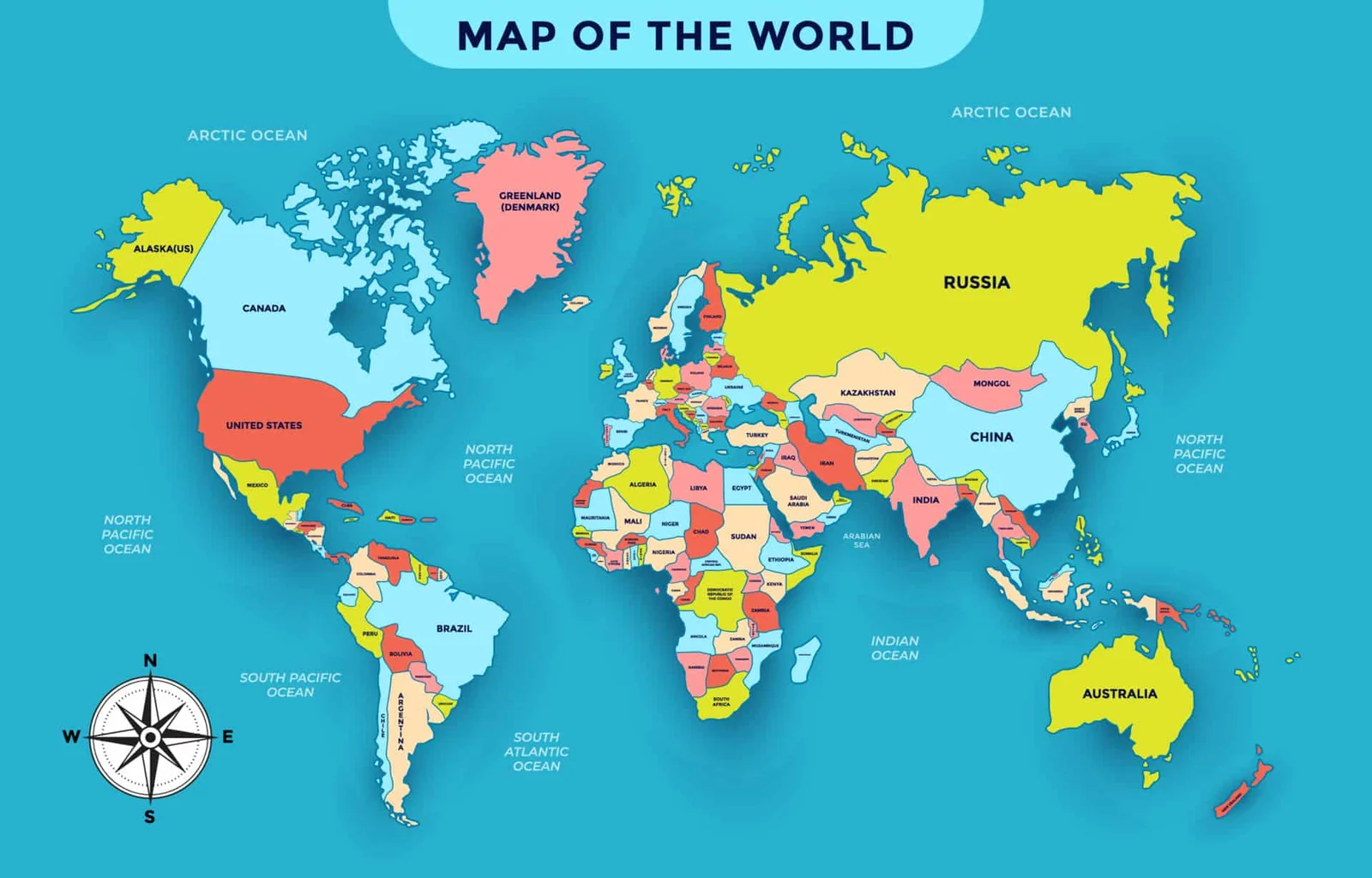

“Stay updated with the latest insights, highlights, and key takeaways from global conferences and business meetings.”

The ‘Parents as Partners’ (PasP) coparenting programme was delivered to heterosexual parents of infan...
View More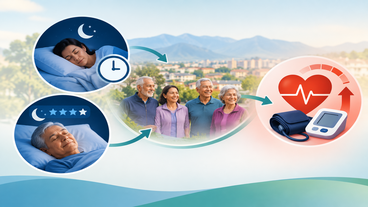
Background: Sleep duration and quality may be important correlates of cardiovascular health in middle-age...
View More
Large language models (LLMs) are increasingly proposed for mental health support, but a prior question pr...
View More
Workplace bullying is violence, yet most organizations still manage it as a conflict to mediate or a po...
View More
Dementia is a progressive neurological syndrome that extends far beyond memory loss. As the disease advan...
View More
Background: Medical College is an intense, high-pressure environment where students are constantly stress...
View More
Mental health symptoms are encountered across healthcare settings, yet assessment often occurs under cond...
View More
Art appreciation has been shown to reduce stress and improve well-being, but its potential to tune and tr...
View More
Education recognizes the significance of holistic learner development, which also involves students' empa...
View More
Emerging adulthood (18–29 years) is a culturally constructed developmental stage marked by uncertaint...
View More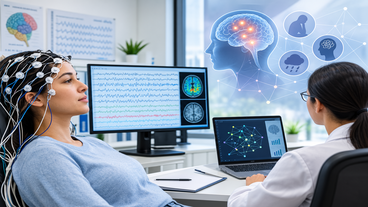
Introduction: Drug-resistant epilepsy (DRE) is defined by International League Against Epilepsy (ILAE) as...
View More
Most schools divide students into sections according to how they perform academically. The idea is to mak...
View More
Background: While cross-functional collaboration is indispensable across modern healthcare and industrial...
View More
The early twentieth century is a cultural epoch in which the significance and metaphorics of bodily pain ...
View More
Background: Exposure to natural disasters and armed conflict places children and adolescents at heightene...
View More