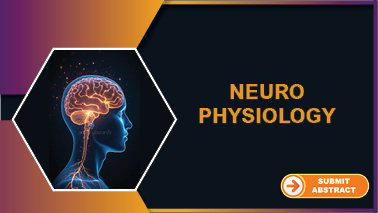
Neurophysiology is the branch of neuroscience and medicine that studies the function of the nervous system, including the brain, spinal cord, peripheral nerves, and muscles. It examines electrical, chemical, and physiological processes underlying neural activity, including sensory perception, motor control, autonomic function, and cognitive processes.
• Scope includes:
o Clinical neurophysiology (EEG, EMG, nerve conduction studies) for diagnosing neurological disorders.
o Research on brain-behavior relationships, synaptic function, and neural circuitry.
o Monitoring and guiding interventions in neurology, neurosurgery, and rehabilitation.
o Understanding pathophysiology of epilepsy, neuropathies, neuromuscular disorders, and sleep disorders.
Statistics and Trends
• Global Burden: Neurological disorders affect over 1 billion people worldwide, many of which are evaluated and managed using neurophysiological techniques.
• Clinical Usage: EEG is one of the most common neurophysiological tests, with millions performed annually for epilepsy, sleep disorders, and coma assessment. EMG and nerve conduction studies are widely used for peripheral neuropathies.
• Research Trends:
o Integration of neuroimaging and neurophysiology for multimodal brain mapping.
o Use of advanced electrophysiology and brain-computer interfaces in cognitive and rehabilitation research.
o Expansion of portable and wearable neurophysiological devices for continuous monitoring.
o Increased focus on computational neurophysiology and AI-assisted data analysis.
Importance of Early Intervention
• Timely Diagnosis: Early neurophysiological testing can detect subclinical or early-stage neurological disorders such as epilepsy, neuropathies, and sleep disorders.
• Optimized Treatment: Early intervention allows for prompt therapy, preventing disease progression and minimizing complications.
• Neurodevelopmental Monitoring: In children, early detection of abnormal neurophysiological patterns aids in managing developmental delays and learning disorders.
• Rehabilitation Planning: Early neurophysiological assessment guides individualized rehabilitation strategies for stroke, spinal cord injury, or traumatic brain injury.
• Research and Preventive Strategies: Identifying early functional changes in the nervous system informs preventive measures, personalized medicine, and targeted interventions.
Share this page on your timeline
ALSO READ Addiction Psychiatry Adolescent Mental Health Advancements In Psychopharmacology Artificial Intelligence In Neuroimaging Behavioral Medicine Brain-Computer Interfaces Child Abuse Child And Adolescent Psychiatry Clinical Neuroscience Clinical Psychology Cognitive Behavioral Therapy CBT Innovations Community Mental Health Cross-Cultural Psychiatry Eating Disorders Emergency Psychiatry Epigenetics In Psychiatry Forensic Psychiatry Geriatric Psychiatry Human Resilience Immuno-Psychiatry Integrative Psychiatry LGBTQ Mental Health Mental Health Mental Health And Well-Being Mental Health Policy And Advocacy Narcology Neurodevelopmental Disorders Neuroethics Neuroimaging Neurophysiology Neuroplasticity And Recovery Neuropsychiatry Neurorehabilitation Neurostimulation Techniques Pain Medicine Palliative Medicine Personalized Psychiatry Political Abuse Of Psychiatry Psychiatrist Psychological Disorders Psycho-Oncology Psychopharmacology Psychosomatic Medicine Psychotherapy Sleep Medicine Stress, Anxiety And Depression Substance Use Disorders Suicide Prevention Telepsychiatry Trauma And The Brain Women Leadership Psychological Health Digital Psychiatry Autism
Tags
Psychiatry Conferences 2027
Mental Health Meetings 2027
Child Abuse Conferences
Depression Conferences
Neurology Conferences
Clinical Psychology Conferences
Adolescent Mental Health Conferences
Pain Medicine Conferences
Anxiety Conferences
Addiction Medicine Conferences
Stress Conferences
Psychological Disorders Conferences
Psychotherapy Meetings
Psychiatry Conferences
Mental Health Conferences