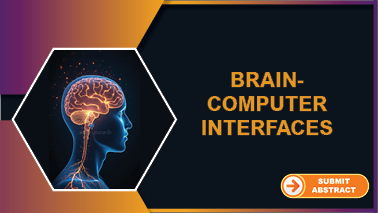
A Brain-Computer Interface (BCI) is a technology that enables direct communication between the brain and external devices, bypassing conventional neuromuscular pathways. BCIs interpret neural signals to control computers, prosthetics, or other assistive devices, providing new ways for interaction and rehabilitation.
Scope:
• Medical Rehabilitation: Restores communication and motor function in patients with paralysis, stroke, spinal cord injury, or neurodegenerative diseases.
• Assistive Technology: Enables communication for individuals with severe motor impairments (e.g., ALS).
• Neuroprosthetics: Controls robotic limbs or exoskeletons using brain signals.
• Cognitive Enhancement and Monitoring: Supports attention, memory, and mood regulation.
• Research Applications: Provides insights into neural mechanisms and brain function through real-time neural monitoring.
• Gaming and Entertainment: Expanding into consumer applications for immersive experiences and neurofeedback.
Statistics and Trends
Current Trends:
• Increasing use of non-invasive BCIs (EEG-based) for rehabilitation and consumer applications.
• Advances in invasive BCIs (implantable electrodes) for higher precision in motor control.
• Integration with AI and machine learning for improved signal decoding and prediction of user intent.
• Growing interest in hybrid BCIs, combining neural signals with other physiological signals for more accurate control.
• Expansion of BCIs in neurofeedback, cognitive training, and mental health monitoring.
Key Statistics:
• The global BCI market is projected to reach over $4 billion by 2030, growing at a CAGR of ~14–16%.
• Research indicates that BCI-assisted rehabilitation can improve motor recovery by up to 30–40% in post-stroke patients.
• Non-invasive BCIs have enabled communication rates of 20–30 characters per minute for locked-in patients.
• AI-enhanced BCIs show decoding accuracy of over 90% for simple motor tasks in laboratory settings.
Importance of Early Intervention
• Maximizes Neuroplasticity: Early BCI-based rehabilitation leverages the brain’s adaptive capacity, improving recovery after stroke or injury.
• Prevents Functional Decline: Timely use of BCIs can maintain communication and mobility in progressive neurodegenerative disorders.
• Accelerates Rehabilitation: Early adoption enhances motor learning and faster integration with assistive devices.
• Enhances Quality of Life: Early intervention restores independence, social interaction, and psychological well-being.
• Informs Personalized Therapy: Early monitoring of neural signals allows tailored intervention strategies for optimal outcomes.
Share this page on your timeline
ALSO READ Addiction Psychiatry Adolescent Mental Health Advancements In Psychopharmacology Artificial Intelligence In Neuroimaging Behavioral Medicine Brain-Computer Interfaces Child Abuse Child And Adolescent Psychiatry Clinical Neuroscience Clinical Psychology Cognitive Behavioral Therapy CBT Innovations Community Mental Health Cross-Cultural Psychiatry Eating Disorders Emergency Psychiatry Epigenetics In Psychiatry Forensic Psychiatry Geriatric Psychiatry Human Resilience Immuno-Psychiatry Integrative Psychiatry LGBTQ Mental Health Mental Health Mental Health And Well-Being Mental Health Policy And Advocacy Narcology Neurodevelopmental Disorders Neuroethics Neuroimaging Neurophysiology Neuroplasticity And Recovery Neuropsychiatry Neurorehabilitation Neurostimulation Techniques Pain Medicine Palliative Medicine Personalized Psychiatry Political Abuse Of Psychiatry Psychiatrist Psychological Disorders Psycho-Oncology Psychopharmacology Psychosomatic Medicine Psychotherapy Sleep Medicine Stress, Anxiety And Depression Substance Use Disorders Suicide Prevention Telepsychiatry Trauma And The Brain Women Leadership Psychological Health Digital Psychiatry Autism
Tags
Psychiatry Conferences
Psychotherapy Meetings
Child Abuse Conferences
Adolescent Mental Health Conferences
Anxiety Conferences
Stress Conferences
Addiction Psychiatry Conferences
Neurology Conferences 2027
Mental Health Confereces 2027
Stress Conferences 2027
Addiction Medicine Conferences
Anxiety Conferences
Psychological Disorders Conferences
Neurology Conferences
Psychiatry Conferences 2027